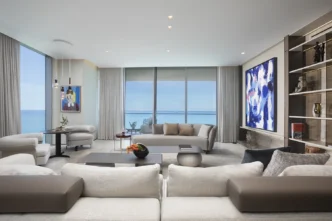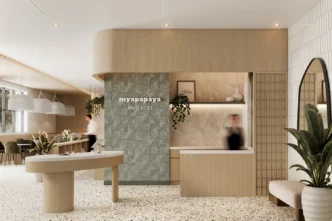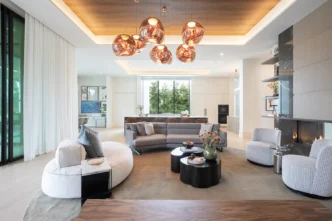
A home interior renovation can feel overwhelming, whether it involves a few simple updates or a full transformation. Working with an existing space often brings unexpected challenges, unclear decisions, and details that are easy to miss, all of which require thoughtful planning and creative problem-solving. That’s why understanding the right first steps is so important before beginning any renovation in your home.
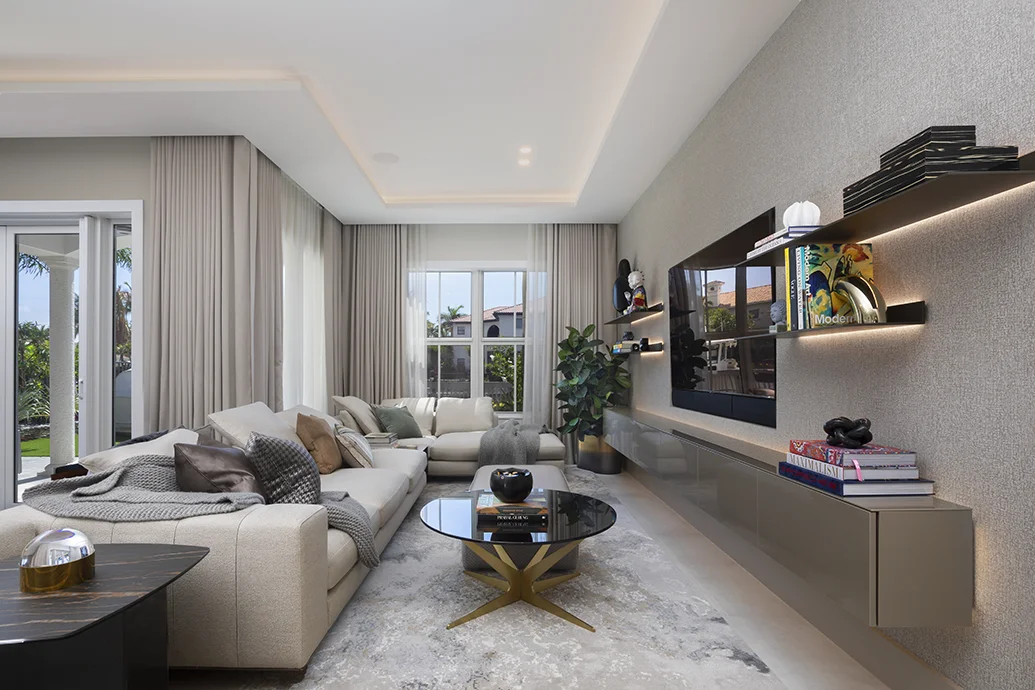
One of the first important steps is choosing your interior designer. In a renovation, having a designer is really valuable because they help you through a process that feels overwhelming quickly. With thoughtful interior design guidance, the process becomes clear and intentional, transforming challenges into a home that feels beautiful, functional, and made for your life.
They also help you decide what’s worth keeping and what should be changed. When you’re working with an existing home, it’s not about starting over, it’s about being intentional with what stays so the space can better support you and your family. At the end of the day, that’s the goal: creating a home that truly fits how you live. In this post, we’ll share tips on how to approach a renovation with intention.
Home Interior Renovation with Intention
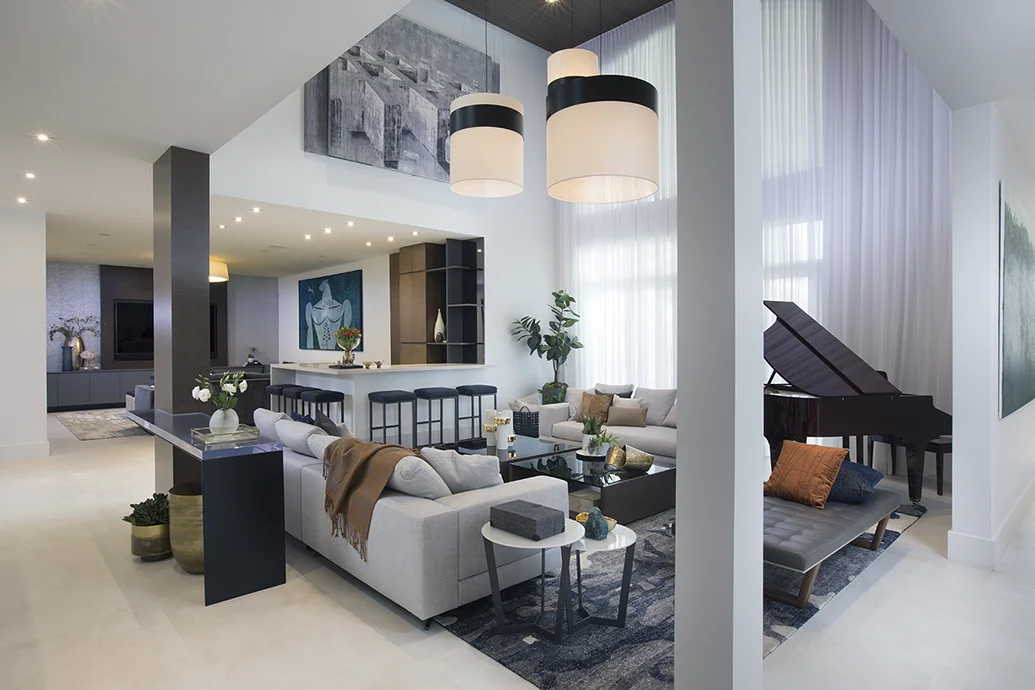
In residential renovation, great design is not about changing everything, it’s about changing the right things. The most thoughtful homes are shaped by intention: knowing what should stay, what should evolve, and what no longer supports the way you want to live or the style you want to create.
Renovations can feel overwhelming because there are so many decisions to make, and it’s not always clear where to start or what’s worth keeping. That’s where having the right guidance matters. We help you bring clarity to those choices so the process feels more focused and less stressful.
For our interior design team, one of the most valuable parts of our process is helping homeowners identify the elements worth preserving. This is where design expertise makes the difference. Beyond aesthetics, we evaluate architecture, craftsmanship, emotional value, functionality, and long-term investment to guide decisions that create homes with depth, beauty, and meaning. Instead of starting from zero, we work with what already exists and refine it with purpose. Every decision is made to improve how your space functions, how it feels, and how well it supports your life.
1. Understanding the Space and Defining the Goals
The first step in any renovation is understanding the space and clearly defining the goals of the project. We start with a discovery interview with each client, because every renovation has a different purpose, some focus on creating more space or additional rooms, while others are mainly about updating the look and feel.
Without this clarity, it’s easy for decisions to become overwhelming or disconnected from what the home actually needs. That’s why this step is so important: it sets the direction for everything that follows and shapes the entire design plan before any work begins.
During this stage, we look at how the space is currently used, what is not working, and how it needs to function in the future. We also take time to understand daily routines and lifestyle needs, so every decision is intentional. The goal is simple, to make sure we are keeping what truly works, changing what doesn’t, and creating a home that supports the way you live every day.
2. Reviewing Existing Conditions
Once there is a clear understanding of the goals of the renovation, the second step is reviewing the existing conditions and understanding the DNA of the home, its structure, character, and unique qualities, before making any design decisions. Many homeowners feel unsure at this stage because it is not always clear what should stay, what should change, or what truly holds value within the space.
That’s where our role becomes important. We carefully study what the home already has, starting with its structure. If the home has strong architectural bones, we look for ways to preserve and enhance them. This can include structural elements, materials worth saving, ceiling details, along with how the home functions in terms of layout.
When those foundations are strong, we build on them and give the home new meaning. And when they’re not, we take a closer and more honest look at the existing conditions to develop a clear, intentional direction that guides the rest of the renovation.
3. Working with Architect and GC for Structural & Systems Assessment
Then comes a very important step: fully understanding what’s happening behind the walls. You might love a column in your home, or have the idea of removing a wall to open up the space, but in renovations, you never know what you will discover until you take a closer look. That’s why it’s essential to carry out structural and systems assessments, working closely with architects and general contractors to confirm that the design direction is both possible and safe.
At this stage, key systems such as plumbing and electrical are evaluated to determine what is functioning well. Any structural or safety concerns are also identified and addressed before moving forward.
Just as important, we align these findings with the renovation budget and overall scope, making sure that the vision for the home is realistic and achievable from the beginning. This step helps prevent unexpected surprises later and ensures that every decision moving forward is grounded in both design intent and construction reality.
4. Space Planning and Concept Development
The next step comes once we clearly understand what is working and what is not in terms of structure. At this stage, we begin planning and conceptualizing the space through floor plans and layout development. Because this is a renovation, we always take into account any structural changes or alterations that need to be considered from the beginning.
We start developing furniture layouts and defining key design decisions, including material direction, as well as plumbing and lighting locations. This ensures that the proposed plan supports the desired flow and function of the home.
At this point, design elements are not yet reviewed in detail. It is less about final finishes and more about establishing a strong foundation for the project, clarifying what walls may be removed, what materials may be replaced, and how the overall structure will support the new design direction.
We understand what needs to change in the structure by focusing on the functionality we want to achieve. It all comes down to how the home needs to work for you day to day, and whether the existing structure supports that or needs to be adjusted.
5. Choosing What Aligns With the New Design Direction
The next step is about aligning everything with the new design direction and the vision you have for your home. At this point, you already understand what structural elements need to stay, and now it’s time to evaluate what else should be kept, changed, or reimagined.
Each existing element is compared against the new design direction to understand whether it supports your vision, complements it, or no longer fits within it.
For example, if the renovation is mainly focused on structural updates while maintaining a similar style, many existing elements may be worth preserving. If the design direction is changing completely, it becomes important to reconsider what still makes sense within the new concept.
Some elements can be refinished, repainted, or reinterpreted to align with the new vision, giving them a second life. This balance between preserving and transforming is a key part of the process. If an element functions well, aligns with the new layout, and supports the future vision of your home, preserving it can often be the smartest design decision.
This is where design expertise makes a difference, helping you see the potential in what already exists, even when it is not immediately obvious, and guiding you through decisions so every element in your home feels intentional and aligned with your new direction.
6. Family History and Sentimental Value
We are designing for you, and this is a renovation for you. In many cases, this applies to a home that you or your family have already lived in and built a real connection with over time. Renovating in this context is not only about design goals, but about honoring the essence and memories that already exist within the space while evolving it for the future. That meaning is something we always take into account throughout the process.
At this stage, when deciding what should be kept or removed, we always take time to review what holds personal or sentimental value. This can include architectural elements, furniture pieces, or anything in the home that carries history and meaning for your family.
It is not only about creating a new design direction, but also about thoughtfully integrating what matters to you into the renovation. This is design with intention, where the past and the future of your home come together.
We work closely with you to explore ways to preserve meaningful pieces and giving them a new place.
Thinking About a Residential Renovation?
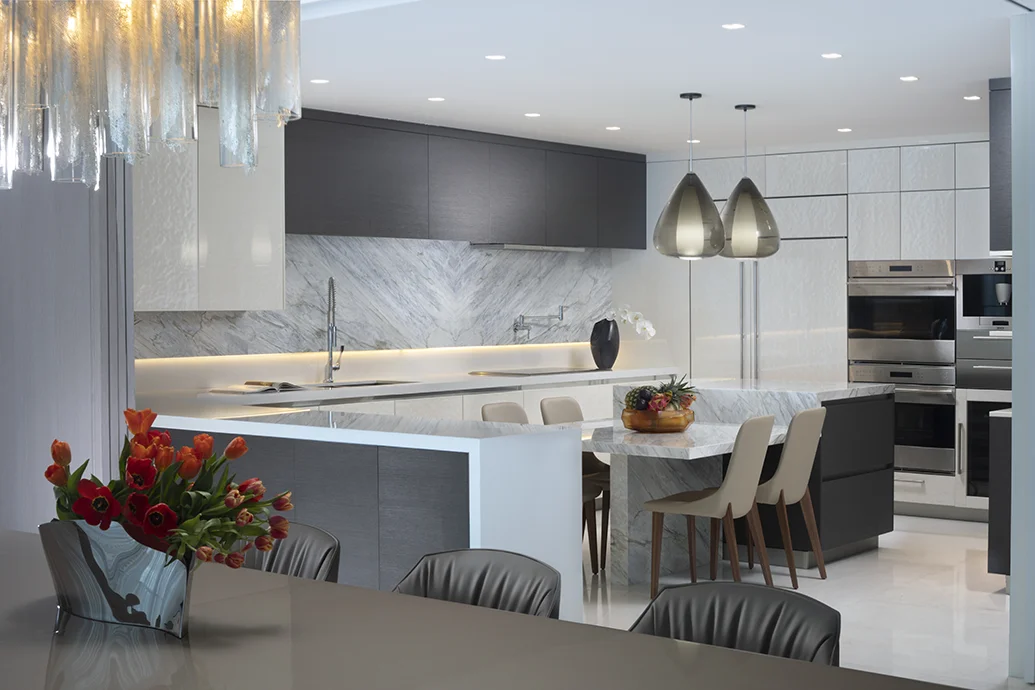
If you are planning to renovate your home, the first and most important decision is understanding what is worth keeping. We hope these steps and tips help you make the process of deciding what to keep and what to replace in your interior renovation easier, with a simple guide to follow.
With expert guidance, the right preserved details can become the foundation for a more timeless, functional, and beautifully layered interior. We love helping homeowners make confident design decisions that protect both the character of their home and the value of their investment. Every decision is linked to how you want to live and what you want to create in your new space. Contact us to start planning your interior renovation!
Entradas relacionadas
Why You Should Consider Hiring a Professional Miami Interior Designer
A home is more than an investment, it’s the backdrop to your life. The way you shape and style your…
Key Tips to Help You Create an Interior Renovation Budget
One of the first things we talk about in our 6 Steps to a Successful Home Remodeling Project guide is…

Extremidades que remodelan caseras: Los primeros pasos importantes a tomar
La remodelación de una casa es una oportunidad apasionante para transformar su vivienda nueva o existente en algo que se adapte mejor a sus...