One of the most important parts of starting an interior design project is the budget. And honestly, it’s also one of the biggest concerns homeowners have when beginning the process. We, as interior designers, completely understand that, because there are many aspects involved in creating and planning a realistic budget that most people are not fully aware of from the beginning. And naturally, when there isn’t complete clarity around everything that needs to be considered, it can create the fear that the budget may quickly get out of control.
At the end of the day, this is not just about creating beautiful spaces. It’s about making a smart investment, one that improves the way you live every single day while also adding long-term value to your home.
Why Setting a Budget Early Matters
That’s exactly why we consider establishing a budget from the very beginning such an important part of the interior design process, it’s actually one of the first things we review with our clients!
Many people see budgeting as a conversation to avoid because it can feel uncomfortable or overwhelming. At DKOR, we see it completely differently. We see having clarity from the start as an advantage.
Our design team sees the budget as a powerful tool, one that brings clarity, direction, and confidence to the entire design journey. Why? Because when we understand the investment from the start, we can create a plan that truly supports the homeowner’s vision and priorities.
Instead of guessing or making decisions along the way without a clear roadmap, a well-defined interior design budget allows the project to move forward with purpose. It helps identify where to invest for the biggest impact, where to prioritize, and how to create a home that feels both beautiful and intentional.
This approach also helps eliminate one of the biggest fears homeowners tend to have at the beginning of a project: the uncertainty of not knowing what to expect financially. And clarity creates confidence. Because when there is transparency and planning from the start, the entire experience becomes much more enjoyable, organized, and efficient.
Understanding What Goes Into an Interior Design Budget
Now that we understand why the budget is so important, we want to help you understand how budgeting in interior design actually works. Instead of thinking about the budget in terms of ranges like low, medium, or high, we want to give you more insight into what actually goes into it. What are the things that need to be considered? How should it be organized from the start?
Of course, the range is defined at the beginning of the project and it sets the framework for all the decisions that follow. But what really matters is understanding what’s inside that number and how it gets distributed.
Because no matter the budget range, the structure itself is actually very similar. We like to break it down in a much clearer and more practical way: by elements within the home.
Finishes and Materials
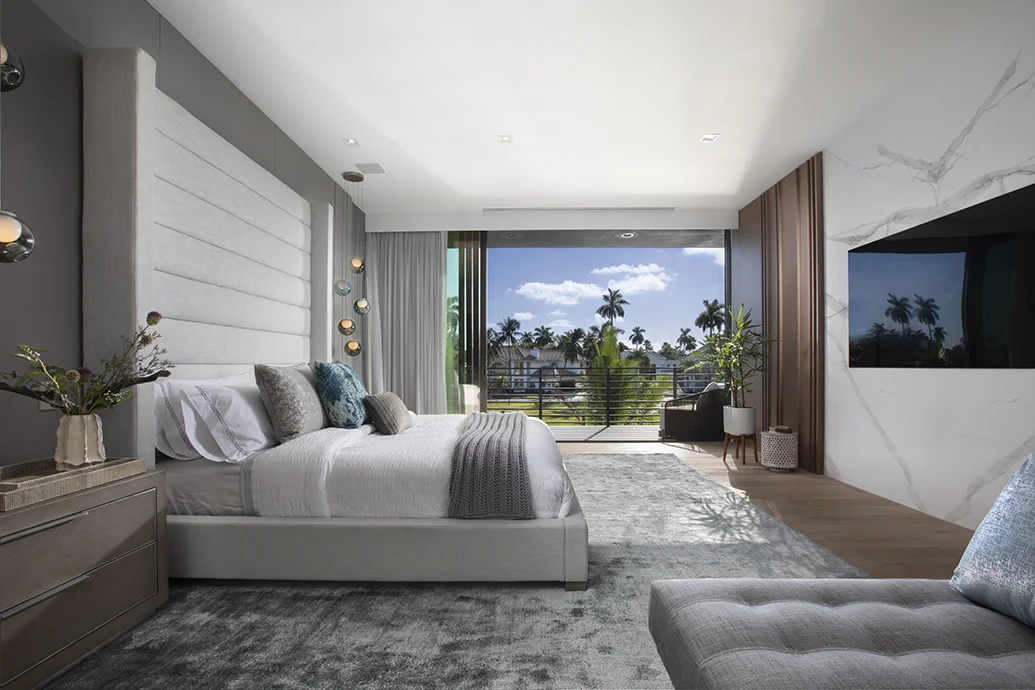
We always start with finishes and materials. Everything that is built-in and becomes part of the architecture of the space. This includes all the elements that are defined in your design: flooring, wall finishes, millwork, cabinetry, stone, and all the materials that essentially build the foundation of your home.
This category is always included in new construction and remodeling projects. Even in some decorating projects, there are moments where it is included, such as updates to wall finishes or small additions of custom millwork, built-ins, or other fixed elements that help elevate the space and make it feel more unique.
Included, but not limited to:
- Flooring (wood, porcelain, stone, etc.)
- Wall finishes (paint, wallpaper, paneling, plaster)
- Millwork and custom cabinetry
- Kitchen and bathroom surfaces (countertops, backsplashes)
- Built-in architectural elements
- Tile selections
- Stone selections (marble, quartzite, engineered stone, etc.)
Furniture and Lighting
Then we move into furniture and lighting. These are the movable pieces that bring each space to life, sofas, beds, dining tables, lighting fixtures, and everything that starts shaping how you actually live in the space.
The quantity, quality, and allowance set for furniture and lighting will always depend on the space you’re working on. For example, a living room will naturally require more pieces and layers than an entry foyer, which may only need a single statement piece or focal lighting fixture.
Included, but not limited to:
- Sofas, sectionals, and accent chairs
- Dining tables and dining chairs
- Beds, nightstands, and bedroom furniture
- Case goods (sideboards, consoles, storage pieces)
- Area rugs and upholstered pieces
- Statement lighting (chandeliers, pendants, sconces)
- Task and ambient lighting layers
- Custom furniture pieces when needed
Accessories
We all know these are the little touches that make a house feel like a home. And these items need to be considered in your budget from the very beginning, allocating an allowance for these elements that truly make a difference.
Accessories are that final layer that brings personality and makes everything feel intentional and complete, so you want to make sure you’ve set aside some budget for them from the start.
Included, but not limited to:
- Decorative pillows and throws
- Artwork and wall decor
- Mirrors and decorative objects
- Styling pieces for shelves and surfaces
- Vases, books, and curated decor items
- Indoor plants and planters
- Table styling accessories
- Personal objects that bring character to the space
Fees and Additionals
And something that’s just as important, and often overlooked, is that an interior design budget goes beyond just the visible elements. There are also general project costs that need to be considered from the start. This includes items such as design fees, storage, receiving and delivery, unforeseen conditions, cleaning, and, in many cases, the involvement of a general contractor or architect, depending on the scope of the project.
When you start looking at a budget this way, everything becomes much clearer. It stops being just a number and turns into a structure that helps you understand exactly where your investment is going and how you can prioritize according to your needs.
Included, but not limited to:
- Interior design fees
- Architectural or consultant fees (if applicable)
- General contractor costs
- Storage fees during installation or renovation
- Receiving, handling, and delivery fees
- Installation and labor costs
- Unforeseen conditions or project contingencies
- Cleaning after construction or installation
Turning Your Budget Structure Into Real Numbers
So now that you have a better understanding of what’s included, the question becomes: what’s next? How do I actually start assigning numbers? Where should I invest more, and where can I be more flexible? And it all comes back to your needs and your priorities.
Having a clear structure for the budget helps you start exploring the process on your own, visualizing what each space in your home actually requires, and playing around with the numbers to reach a level you feel comfortable with. These numbers also need to be realistic and aligned with the current market.
How an Interior Designer Helps You Prioritize Your Budget
While you’re putting together the budget on your own, it’s normal for a lot of questions to come up. That’s why we always recommend working with your interior designer when developing the budget, because they don’t just guide you through the process, a design team also brings a very clear understanding of pricing, scope, and everything that’s actually required once they analyze your floor plan and the design direction.
It starts with understanding how each space works, what it needs to feel complete, and how to spread your budget in a way that actually fits your lifestyle. A designer helps you translate that into real decisions by estimating what each space needs based on the layout and the overall vision for the home, and by guiding you on where it makes sense to spend more or where you can hold back a bit. Most importantly, they listen to what you actually need and help you make choices that support that.
For example, if you share that you want a kids’ bedroom, but at this stage of your life your investment is more focused on creating high-quality shared family spaces, then it might make sense to approach the kids’ rooms in a more cost-effective way. Those types of decisions and that level of guidance is really what interior design brings to the process.
It’s not just an initial guideline, because the budget is really a working document that evolves as the project develops. As things move forward, it gets adjusted and refined based on real decisions, real pricing, and how the design is actually unfolding.
Your Budget Benefits From a Designer
That’s why having a proper tracking process is so important, understanding how close you are to the original budget, what changes have been made along the way, where you’ve been able to save, and where that extra budget can be reallocated in a smarter way.
This is exactly where an interior design team, together with their admin support team, like we have at DKOR, plays a key role. They help keep everything organized, updated, and aligned so you always have a clear picture of where your budget stands throughout the entire process.
Let’s Talk About Your Budget
If you are about to start your interior design project and budgeting is a concern for you, we can help. We work with clients to create clear and realistic budgets that align with their project goals, and we stay with you throughout the process to keep everything on track.
Contact us today to start the conversation and begin designing your dream home together.
FAQ SECTION
An interior design budget typically includes finishes and materials (like flooring, cabinetry, stone, and wall finishes), furniture and lighting, accessories, and general project costs. These additional costs can include design fees, storage, delivery, installation, and sometimes contractor or architectural fees depending on the scope of the project.
Yes, an interior design budget is a working document. It evolves as the project develops based on selections, scope adjustments, and real pricing. Tracking updates throughout the process helps maintain control, understand where adjustments are made, and reallocate funds when needed.
Budgeting is essential because it creates clarity and direction from the beginning of a design project. It helps guide decisions, set realistic expectations, and ensures that the investment is aligned with the client’s lifestyle and priorities. A well-structured budget makes the entire design process more intentional and efficient.
Entradas relacionadas
Why Every Renovation Needs a Designer First
Considering renovating a home? With so many questions and steps involved, many homeowners don’t realize that hiring an interior designer…
Consejos clave para ayudarte a crear un presupuesto de renovación de interiores
One of the first things we talk about in our 6 Steps to a Successful Home Remodeling Project guide is…

Planning For Your Next Interior Design Project
You finally found the perfect home for you and your family, but it’s in need of a facelift. Or maybe…