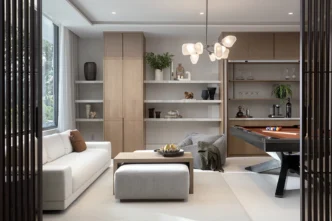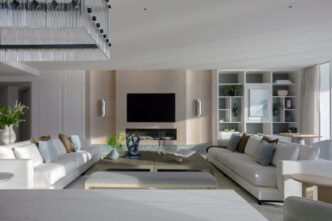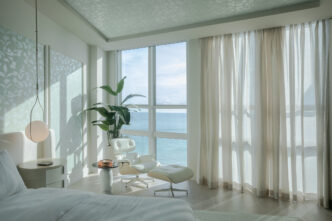
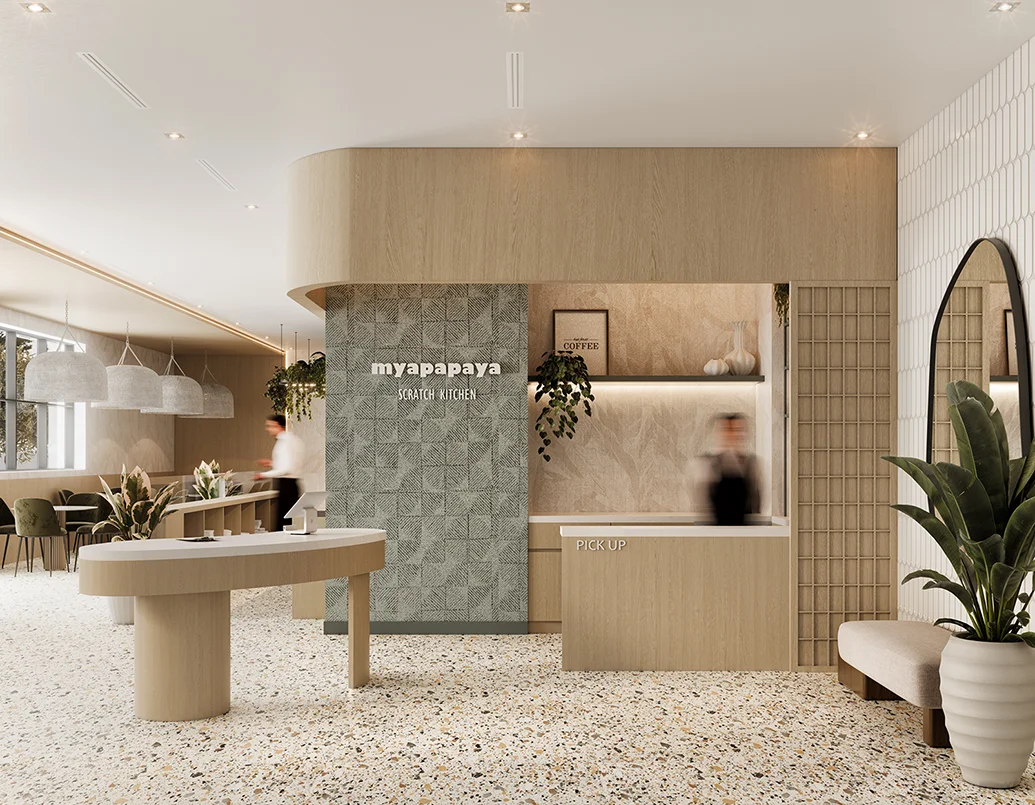
There is something special about walking into a restaurant that instantly feels right. Maybe it’s the lighting, the way the tables are rearranged, the energy of the bar, or the feeling you get before you even take a seat. A well-designed restaurant, created by a skilled restaurant interior designer, naturally draws you in, setting the tone and giving you a sense of the experience that awaits.
Of course, that feeling does not happen by accident. Behind every memorable restaurant is a thoughtful design process, one that considers not only how the space looks, but how it works, how it supports the brand, and how guests and staff move through it every day.
If you are planning to open, renovate, or refresh a restaurant, hiring the right restaurant interior designer is one of the most important decisions you will make. Your designer is not just helping you choose furniture or finishes, they’re helping you shape the full guest experience from the first impression at the door to the way people remember your space after they leave.
So, what should you look for when choosing the right design team for your restaurant project? Let’s walk through the most important thing to consider.
1. EXPERIENCE WITH RESTAURANT PROJECTS
Restaurant design has its own language. It involves atmosphere, but also circulation, service flow, durability, seating comfort, lighting, acoustics, accessibility, and the way your team needs to work behind the scenes. A beautiful space is important, but a restaurant also needs to function smoothly during a busy lunch rush, a full dinner service, or a weekend crowd.
That’s why experience matters, you should look for it in your design team. When evaluating a restaurant interior designer, choose a team that understands this specific type of commercial project. They should know how to balance guest comfort with operational needs, and how to create a space that feels elevated without forgetting the practical details that make the restaurant work day after day.
This includes thinking through areas like:
- The entrance and first impression
- Host stand or waiting area
- Dining layout and table spacing
- Bar or pickup zones
- Storage area
- Restrooms
- Kitchen and service circulation
- Lighting, materials, and maintenance
Good restaurant interior design brings all of these elements together in a way that feels natural to the guest and efficient for the team.
When exploring the portfolio of a restaurant interior designer, take time to look at more than the final look of each space. A beautiful restaurant is always important, but the best commercial interiors also reveal thoughtful planning behind the scenes.
Look at how the restaurant interior designer approaches different types of projects. Do the spaces feel welcoming and easy to move through? Does the layout support the guest experience? Can you see how lighting, materials, seating, and circulation were considered together?
This is where similar experience becomes valuable. You want a designer who understands that a restaurant must feel memorable to guests while still working beautifully for the team using it every day. Their portfolio should give you confidence not only in their style, but also in their ability to think through the details that make a commercial space successful.
2. A TEAM THAT CAN EXECUTE THE RESTAURANT DESIGN VISION
A great concept is only the beginning. Restaurant projects include many moving parts, and the right design team needs to have the capability to bring vision to life. This means more than creating beautiful renderings or selecting finishes. It means understanding the process, coordinating with other professionals, and helping the design move from idea to execution.
Restaurant design also comes with specific technical considerations that need to be planned carefully. Depending on the project, this may include code requirements, accessibility, lighting levels, material durability, kitchen and service flow, restroom planning, seating layouts, and the coordination between front-of-house and back-of-house areas. These details may not always be the first things guests notice, but they play a big role in how the restaurant functions every day.
This is why working with an experienced restaurant interior designer is so valuable. They can help guide the creative vision while also understanding the practical layers that are unique to restaurant projects. As we shared in our post on Diseño de interiores de restaurantes: lo que debes saber antes de empezar, successful restaurant interiors need to balance atmosphere, layout, brand experience, and functionality.
Depending on the project, your designer may also need to coordinate with architects, contractors, millworkers, lighting vendors, furniture vendors, branding teams, and other specialists. Having a design team that understands how to communicate and collaborate is essential.
This is especially important during construction or installation, when details need to be clarified and decisions often need to be made quickly. You want a team that can protect the design vision while also staying flexible and solution-oriented.
3. STYLE, CREATIVITY, AND PORTFOLIO ALIGNMENT
Before choosing a restaurant interior designer, spend time looking through their portfolio. This is where you can get a feel for their style, creativity, and experience with commercial spaces.
You do not need to have your restaurant concept figured out before this step. In fact, the concept will usually be developed once you start working with the design team. For now, the goal is to see whether their work makes you feel confident in their ability to create something special for your space.
As you review their portfolio, look beyond whether one project matches the style that you have in mind. Instead, pay attention to the overall feeling of their work. The spaces feel inviting? Do they have personality? Do the design details feel intentional? Can you see how the designer uses materials, lighting, color, furniture, and layout to create a complete experience?
For a restaurant design project, this matters because guests remember how a space makes them feel. They may not notice every finish or furniture selection individually, but they will remember if the restaurant feels warm, exciting, refined, relaxed, or memorable. The right designer should be able to create an interior that feels beautiful, functional, and connected to the brand behind it.
A strong portfolio should also show that the designer understands how to work with commercial interiors, not just beautiful spaces. Restaurant projects need to consider atmosphere, flow, durability, comfort, and the way people move through the space. When a designer’s portfolio shows both creativity and thoughtful planning, it gives you more confidence in their ability to guide your project well.
The goal is not to find a portfolio you want to copy. Your restaurant should have its own personality, story, and point of view. Instead, the portfolio should make you feel excited about what the designer could create for your own restaurant.
4. A DESIGNER YOU TRUST
People sometimes overlook this part, but it matters so much. Designing a restaurant is a collaborative process. You’ll be sharing your ideas, your goals, your investment, and also, your concerts. You’ll be making decisions together and trusting your designer to guide you through details that may feel unfamiliar.
That’s why the connection with your designer is important. You want to work with someone who listens, understands your vision, and explains things clearly. The right restaurant interior designer should make you feel comfortable asking questions, confident in decisions being made, and supported throughout the entire process.
Because restaurant design involves so many layers, from the overall concept to the practical details that shape the guest experience, trust becomes an essential part of the relationship.
The right designer should feel like a creative partner, someone who brings expertise to the table while making you feel heard every step of the way.
5. A PROCESS THAT FITS YOUR NEEDS AND BUDGET
Before starting, it’s important to understand how your restaurant interior designer works.
Every design studio has its own process, services, timeline, and payment structure. Some restaurant owners may need full-service support from concept to completion, while others may need help with a specific phase of the project.
Ask about what’s included, how the phases are organized, how communication is handled, and how payments are structured. The goal is to make sure the designer’s process aligns with your needs, expectations, and budget.
A good restaurant design process should make you feel supported, not overwhelmed. You should understand what happens next, what decisions need to be made, and how the design team will guide you along the way.
It’s also important to include interior design as part of your overall project investment from the beginning. Not sure how much to plan for? That’s exactly where working with an experienced design firm can help. Your designer can guide you through this decision, helping you understand the different factors that may affect your budget, including the details you may not realize are needed at first but should be considered early in the process.
And when it comes to budget, design should never feel like an afterthought. In commercial spaces, thoughtful restaurant design can directly affect how people experience your business, how your team works, and how your brand is remembered. A clear design process helps you make smarter decisions, prioritize where to invest, and create a space that supports both your vision and your long-term business goals.
6. STRONG PROBLEM-SOLVING SKILLS
Even with the best planning, every project can come with challenges. Maybe a material becomes unavailable. Or a construction condition needs to be adjusted. Maybe the budget needs to be revisited, or a detail needs to be solved in a new way. This is where an experienced restaurant interior designer makes a real difference.
Restaurant design is not only about creating a beautiful plan. It’s also about knowing how to respond when the project requires flexibility. A strong designer can help review options, suggest thoughtful alternatives, and make decisions that still support overall vision of the space.
You want a designer who can think creatively, communicate clearly, and work through challenges with the other professionals involved in the project. Whether it’s coordinating with contractors, adjusting a design detail, or finding a different material that still feels aligned with the concept, problem-solving is an important part of the process.
A great restaurant interior designer helps reduce stress because they know how to guide decisions without making the project feel overwhelming. They understand that every choice should still support the bigger picture: a restaurant that feels beautiful, functions well, and creates a memorable experience for guests.
When challenges come up, the right design team helps keep the project moving forward with clarity, creativity, and care.
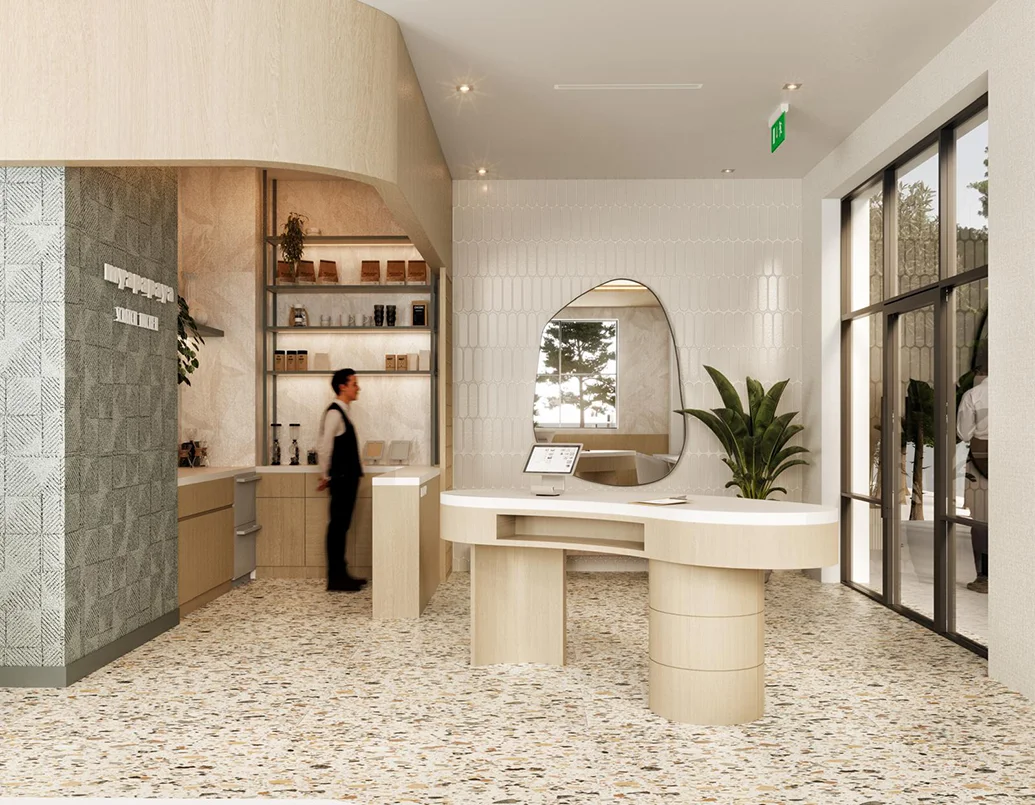
READY TO BRING YOUR RESTAURANT VISION TO LIFE?
Hiring the right restaurant interior designer is an important step in creating a space that supports your brand, your guests, and the way your business operates every day.
Our commercial design team brings together creativity, functionality, and thoughtful planning to create restaurant interiors that feel elevated and intentional. We guide each project with a clear design process, helping transform ideas into spaces that are both beautiful and purposeful.
Whether you’re opening a new restaurant or refreshing an existing one, thoughtful restaurant design can help create an experience that feels memorable from the moment guests walk in.
Contact us to start designing your restaurant.
Entradas relacionadas
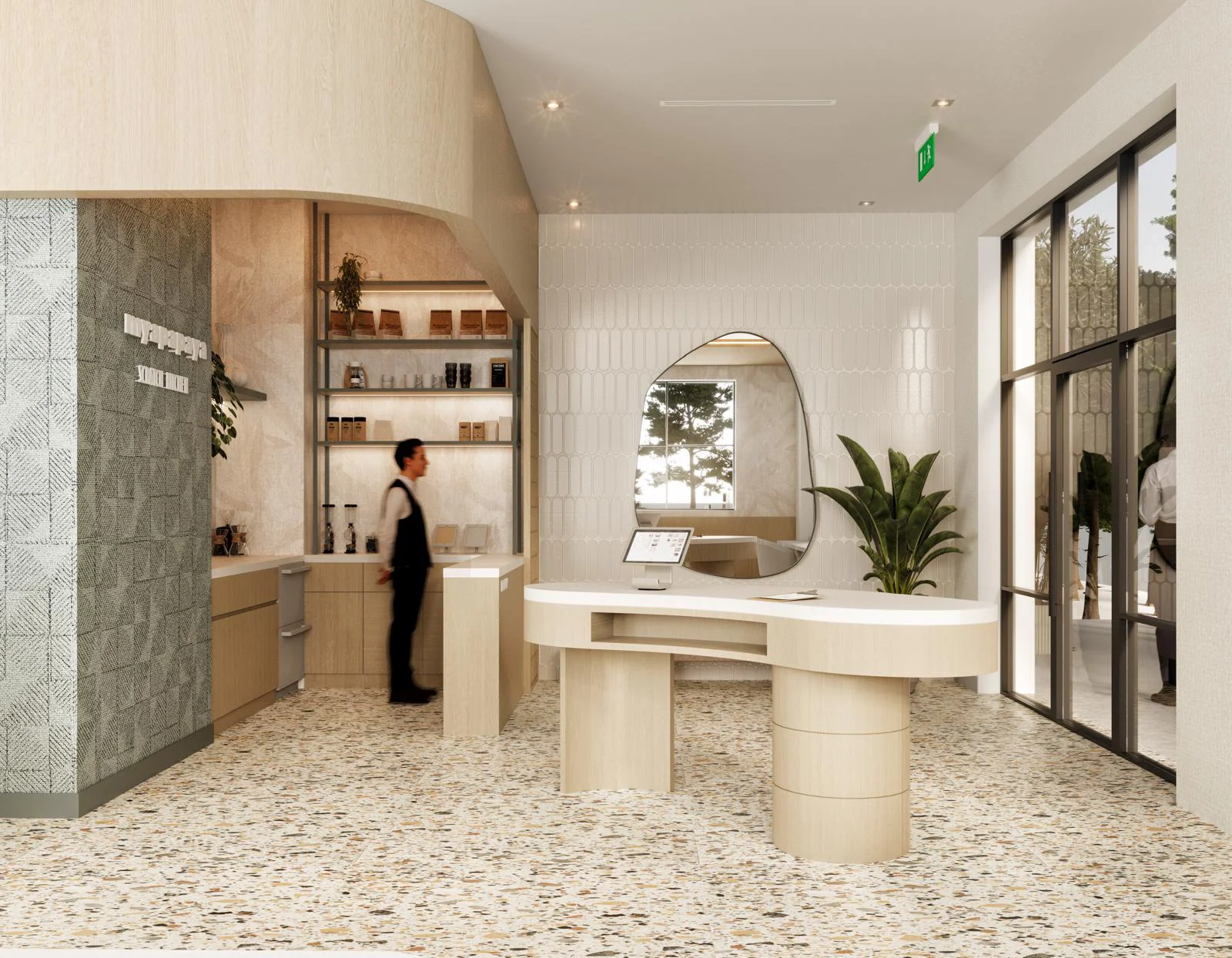
Diseño de interiores de restaurantes: lo que debes saber antes de empezar
We all love visiting beautiful restaurants, not just for a great meal and a good time, but also for the…
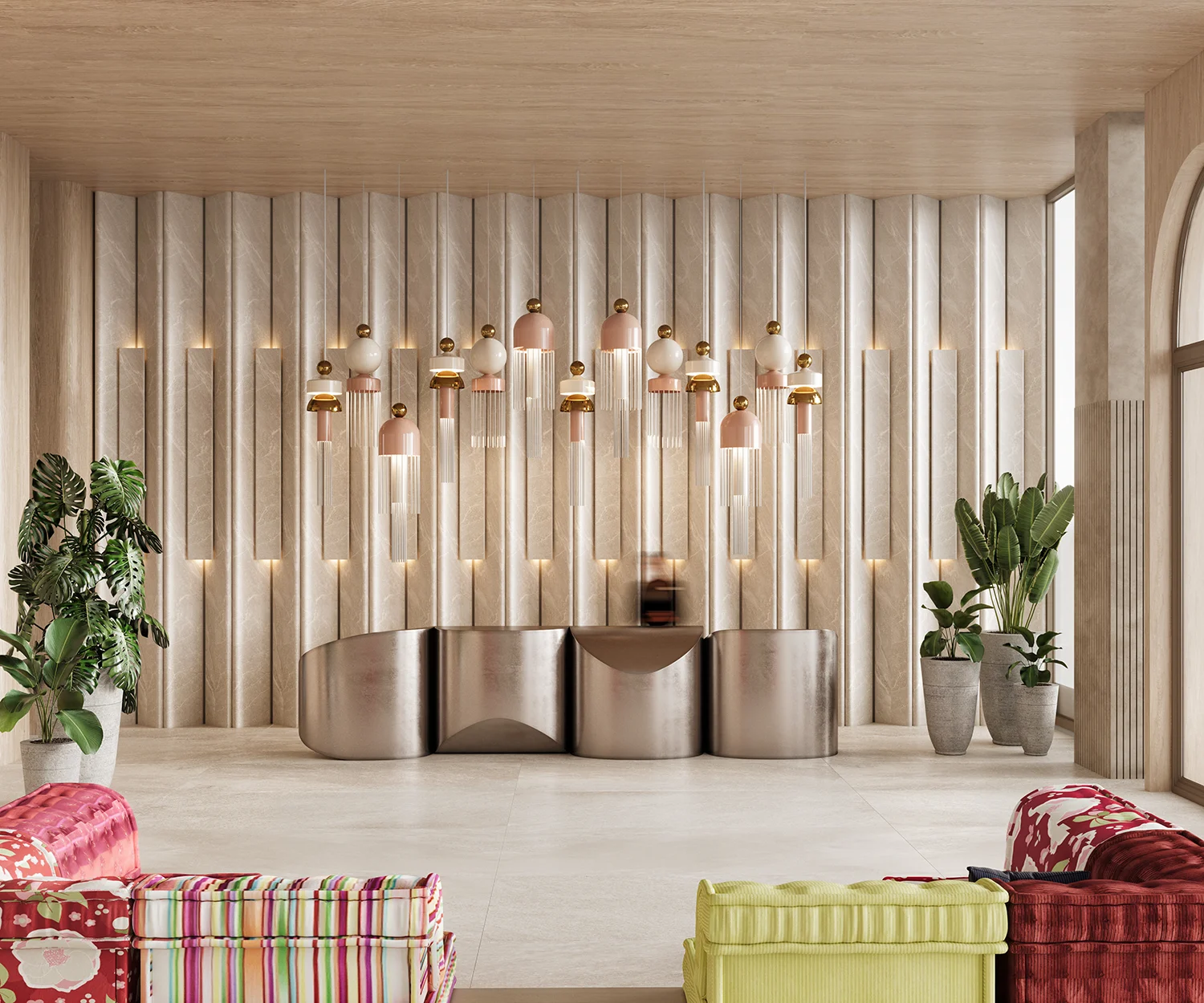
Conceptos básicos del diseño de interiores comerciales
For some time now, you may have heard that our interior design firm based in Florida doesn’t just specialize in…
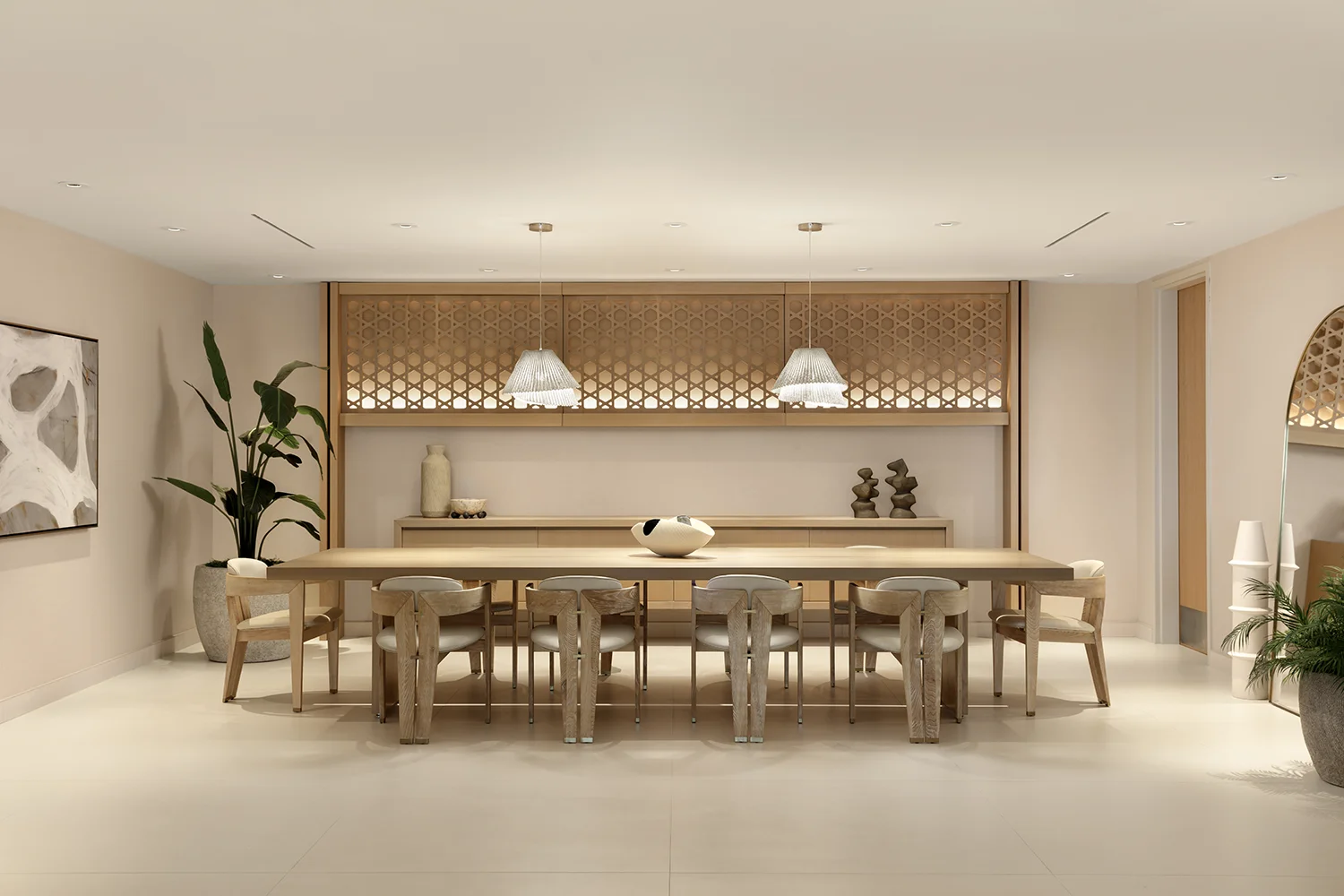
Razones principales para invertir en diseño de interiores comerciales para su empresa
As a business owner planning a new commercial space, whether you're opening a new location, launching a new location, or…