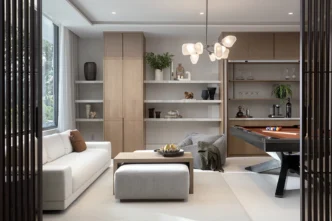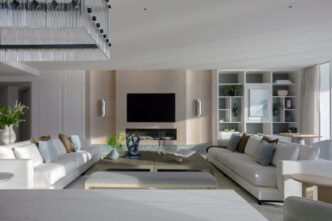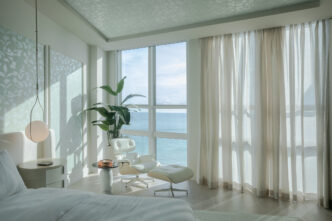
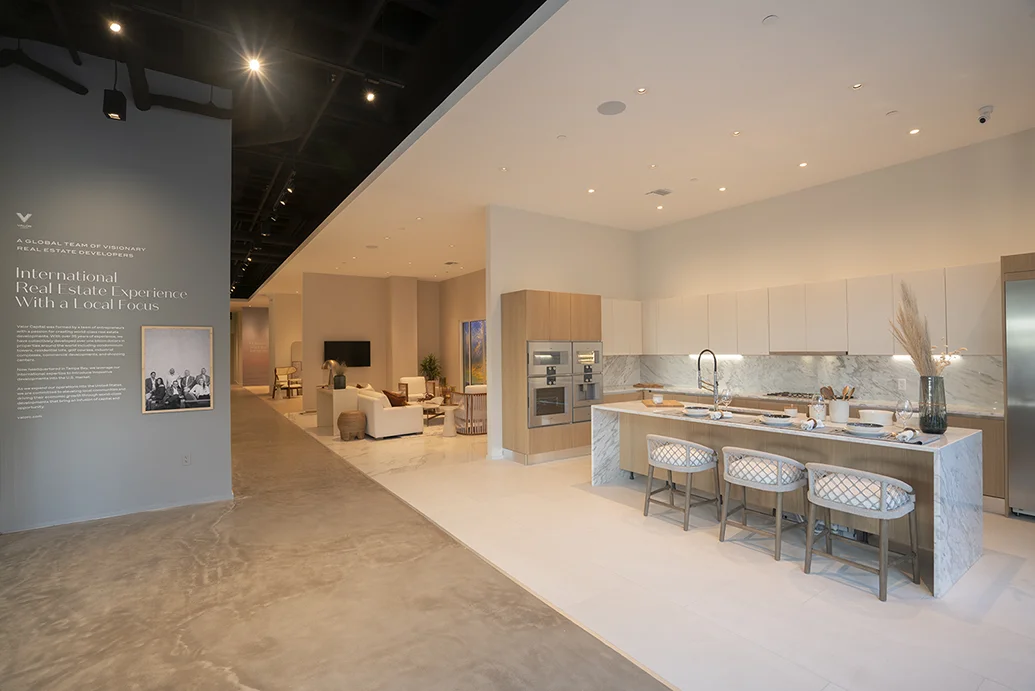
When we talk about commercial interior design, we’re really talking about a wide range of different interior spaces, where each one needs to be approached in its own way, with its own specifications and details to consider. As we’ve mentioned before on the blog, these projects can go from office spaces to retail interior design, and each one works in its own way and creates a different experience for the people using it. That’s why understanding how the space will be used is always the starting point for any good design.
Interior Design for Retail Spaces
We want to focus on sharing the best tips for one of our favorite types of commercial projects: retail spaces.
But what exactly are retail spaces, and why does retail interior design matter so much in them? In simple terms, retail spaces are commercial environments designed for businesses to sell products or services directly to customers. From clothing stores to salons and beauty spaces, these environments are designed not only to function well, but also to shape the customer experience.
Think of all the places we visit in our daily lives, stores where we pick up our favorite products, or even a salon where we go to get a haircut. These are all retail spaces, each designed to support a very specific type of customer experience.
Why Is Retail Interior Design Important?
All of these places we see and visit almost every day, whether they’re in a shopping mall, along a street, or in a more unique setting, aren’t just put together randomly. What really matters is that the interior environment of each space is intentionally designed. Every element inside has been carefully considered, with clear decisions behind how it looks, feels, and functions.
And that’s where interior design plays a key role. From the layout to the flow of the space, everything works together to shape how people move through it and how they experience it. In retail spaces especially, all of these decisions are made with specific goals in mind, improving the customer experience, guiding flow, highlighting key products, and ultimately driving sales.
What Should You Consider When Designing a Retail Space?
So, if you’re a business owner working on creating your own retail space, our commercial interior designers put together this guide with a few tips to help you make better decisions from the start. The idea is to help you keep in mind what should be considered in the interior design of your retail space, so that it becomes more than just a physical location but a strategic business tool.
1. DESIGN WITH GOALS IN MIND
The first tip is to design with your goals in mind. One of the most important parts of any commercial interior design project is going back to the core goals of the business for that specific physical space. When it comes to retail, this means really taking the time, together with your designer, to define what you want to achieve.
Are you creating a store that sells high-end products, where the experience needs to feel elevated and comfortable for your customers? Or are you designing a clothing store where you want people to explore, try things on, and feel inspired by the space?
Of course, selling is always part of the equation. But it goes beyond that, it’s about thinking about what you want people to feel when they’re in your space, and how the design can help create that experience.
2. TRANSLATE YOUR BRAND INTO THE PHYSICAL SPACE
The space you’re creating is a very tangible expression of your brand. Because of that, before choosing any materials or design elements, it’s important to have an understanding of your brand identity.
From there, you should aim to create a design that feels cohesive and aligns with your brand identity. The way the space looks and feels should reflect your personality and your values, and most importantly, shape the kind of experience you want people to have.
That’s why every material, finish, and detail should connect back to the emotions and values you want your customers to associate with your brand. And this is where working with the right interior design team really makes a difference, they help translate all of those ideas into a physical space that truly represents you.
3. FIRST, YOUR CUSTOMER EXPERIENCE
Always think about the customer experience. If you already have a space and you’re working on a redesign, we always recommend walking through it and identifying those areas where a customer might feel confused or unsure. Experience the space as the client: move through it, notice what feels off, and identify where you can improve things.
If you’re working on a new space, then you have the advantage of thinking about all of this from the very beginning.
More than anything, beyond creating a design that looks super innovative or visually beautiful, you always want to prioritize your customer’s comfort. Think about how the layout, the flow, and the overall space planning will impact their experience. This is where working closely with your interior designer really comes into play, making sure every element is placed with intention.
At the end of the day, the goal is for people to feel welcomed, comfortable and encouraged to spend more time in your space. And the longer they stay, the stronger their connection to your brand becomes, which naturally leads to better results for your business.
4. CIRCULATION AND FLOW
As you might have already noticed, everything comes back to the experience we create for the client. That’s why circulation and flow are so important. When designing a retail space, it’s essential to think carefully about how people will move through it and to visualize the experience you want them to have from the very beginning.
Good circulation design means people can walk through the space comfortably and intuitively. Every space, corner, and area should have a purpose, something intentional behind it, and feel natural to explore and enjoy.
Within space planning and layout, it’s also important to make sure that when customers are close to products or key touchpoints, they feel comfortable. The flow should feel natural, not crowded or overly condensed.
It’s helpful to really study how this experience unfolds through movement. Every key moment, whether it’s interacting with staff, exploring products, or receiving a service, should be carefully considered so it feels smooth, welcoming, and well thought out, always supporting the best possible customer experience.
5. QUALITY OF MATERIALS
In commercial interior design, it’s not just about choosing materials based on how they look or even just their quality. Since these high-traffic spaces serve many people daily, you must select materials that offer durability, resistence, and easy manteinence. Over time, these spaces will naturally require upkeep, so maintenance is always something to keep in mind from the start.
At the same time, material selection should always align with your brand. If you’re working with a high-end brand, the materials need to reflect that level of sophistication, but still meet all the functional requirements of a commercial space. If your brand allows for a more flexible or relaxed approach, the materials you choose should also reflect that. It’s always about finding that balance between aesthetics, durability, and brand identity.
6. ADA, ALWAYS ADA
Whenever you’re designing a commercial space, it’s very important to consider ADA requirements. Creating an inclusive design is part of building a business that welcomes all customers. Because of that, it’s essential to review these requirements with your designer and contractor from the very beginning.
Doing this early in the design phase allows you to properly integrate accessibility into the space and avoid costly changes later on, once construction is already underway.
It all comes back to thinking about who your customer is and how you can design a space that works for everyone. This includes clear and accessible signage, fitting rooms that are designed for different needs, and pathways that are wide enough for wheelchairs and strollers, among other considerations.
At the end, good commercial design is inclusive design, making sure every person can move and experience the space comfortably.
7. WOW YOUR CUSTOMERS WITH INNOVATIVE DESIGN
Get as creative as you can when it comes to the experience you’re creating. And this doesn’t just mean being creative with materials or finishes, it’s really about the opportunity to create meaningful moments.
At the end of the day, it’s less about whether you used a bold color or a trendy element, and more about how the space actually feels to someone walking through it. That emotional connection is what people remember.
This becomes even more important when you think about why a customer would choose to visit your physical store instead of shopping online or going to a competitor. The experience has to give them a reason to be there.
So be intentional with your design. Create something memorable, whether that’s through interactive elements, unexpected details, or features that naturally draw people in. The goal is to design a space that people actually enjoy and want to come back to.
Bringing Your Retail Space Together
In the end, designing a successful retail environment starts with keeping the customer experience at the heart of every decision. That’s what helps people connect with your brand, come back, and choose your space over others.
We hope these tips give you a clearer idea of what to consider from the very beginning, so you can make thoughtful decisions not only for the space itself, but also for the success of your business and location.
Working with an interior designer can make a big difference in bringing all of these details together in a thoughtful and efficient way. Our commercial design team is here to help you create a retail space that supports your goals, reflects your brand, and gives your customers a reason to return. Contact us to get started.
Entradas relacionadas

Qué tener en cuenta antes de elegir diseñadores de interiores comerciales
Are you opening a new office or thinking about giving your current business space a facelift? Then you should consider…
Conceptos básicos del diseño de interiores comerciales
For some time now, you may have heard that our interior design firm based in Florida doesn’t just specialize in…
Su guía para una renovación de interiores comerciales exitosa
Sometimes, as a business owner or investor, you’ll find yourself planning a commercial interior renovation, whether it’s to refresh your…