Starting a home design project is exciting. You begin imagining the finished space, saving inspiration photos, thinking about furniture, materials, colors, lighting, and all the little details that will finally make your home feel complete. But then, pretty quickly, the excitement can turn into a long list of questions.
- Where do you start?
- What should you buy first?
- How much should you spend?
- Which pieces are worth the investment?
- How do you know if everything will work together?
And at some point, you may start wondering: Is it really worth it to hire an interior designer? We understand why that question comes up. At first, hiring a designer can feel like one more cost to add to the project. But the truth is, the right designer can actually help you avoid expensive mistakes, make better decisions, and protect your overall investment.
What to Expect When Hiring an Interior Designer
A designer looks at how the space needs to function, how each room connects, how your family will actually live in the home, and what decisions need to happen first. They help think through the layout, measurements, materials, budget, timeline, sourcing, and overall design vision, so every choice has a purpose.
Good design is not just about making a home look beautiful. It is also about planning ahead, understanding the process, and ensuring that every decision supports the way you want to live. This kind of planning helps you avoid the scattered feeling of buying things as you go and hoping they will work together later. Instead, working with an interior designer gives you a clear roadmap.
Why Hiring an Interior Designer Is a Smart Investment
1. A CLEAR PLAN HELPS EVERY DECISION WORK TOGETHER
One of the biggest reasons a home interior design project becomes more expensive is because decisions are made without a full plan. That roadmap becomes especially helpful once the project starts moving from ideas into real decisions.
Maybe you fall in love with a sofa before confirming the room layout. Or you choose a light fixture before thinking about ceiling height. Maybe you select finishes one by one, only to realize later that they do not all work together and these things happen more often than you think.
In a home design project, one choice rarely stands alone. The layout can affect the lighting plan. The flooring can influence the color palette. The size of a sofa can change how the room flows. Even something that feels simple, like choosing a dining table, can affect the rug size, chandelier placement, seating, and the way people move through the space. For renovation projects specifically, it also helps to understand the first steps of a home remodeling project before decisions start moving too quickly.
When you hire an interior designer, you are not just asking someone to choose pretty furniture or colors. You are bringing in someone who can look at the bigger picture before the spending begins.
The furniture is not selected only because it looks beautiful. It also needs to fit the room, support the layout, feel comfortable, and work with the lifestyle of the people using it. The materials are not chosen only because they photograph well. They also need to make sense for the space, the level of use, the maintenance required, and the overall budget.
This is one of the reasons it can actually save you money to hire an interior designer. You are not just paying for someone to make selections. You are getting someone who understands how those selections affect each other.
2. SMALL DESIGN DECISIONS CAN BECOME THE EXPENSIVE ONES
A home design project comes with hundreds of decisions. Some are fun, like choosing fabrics, furniture, artwork, or accessories. Others are more technical, like measurements, electrical placement, lighting plans, material durability, lead times, installation details, and delivery schedules.
On their own, these decisions may seem small. But when they are made without guidance, they can add up quickly.
- A dining table that is too large for the room.
- A rug that feels too small once it arrives.
- A finish that does not hold up well for your lifestyle.
- A layout that looks beautiful but does not actually function for your family.
- A custom piece that was ordered before all the measurements were confirmed.
These are the types of costly design mistakes an interior designer is trained to help you avoid. Even small technical details can make a difference. The depth of a cabinet, the height of a counter stool, the size of a nightstand, the placement of an outlet, or the clearance around a door can all affect how comfortable and functional the home feels once everything is installed. These details may not sound exciting, but they are often the details that protect the investment.
Instead of guessing your way through every choice, an interior designer helps you make decisions with more confidence. That can mean fewer returns, fewer replacements, fewer redos, and fewer “I wish we had thought about this earlier” moments.
Those small decisions feel less overwhelming and much more intentional, so the final space does not just look good, but actually works beautifully for the way you live. If you want to take a deeper look at the kinds of hidden costs that can come up when managing a project alone, we shared more examples in our guide to the hidden costs of DIY interior design.
3. A DESIGNER HELPS AVOID RUSHED DECISIONS
An interiorista understands that timing is a big part of the design process. It is not only about what needs to be selected, but also when each decision needs to happen. They know which items typically have longer lead times, which materials need earlier approval, which custom pieces require more planning, and which decisions can wait without affecting the rest of the project.
That kind of guidance helps prevent everything from becoming urgent at once. Instead of reacting to deadlines as they appear, a designer helps organize the project so decisions are made in a more thoughtful order. They can help you review options earlier, narrow down selections before pressure builds, and understand what each approval means for the next step.
A vendor may need final measurements. A contractor may need approval on a finish. A custom piece may need to go into production. A product may be available now, but not for long. A delivery date may need to be confirmed before an installation can be scheduled.
When too many decisions are left open for too long, the project can start to feel less like a creative process and more like a race. That is usually when rushed decisions happen and this can become expensive later.
A designer helps simplify these complicated processes while keeping the bigger picture in mind because they can present options that already make sense for the design direction, instead of leaving you to scroll through hundreds of choices on your own. They can explain the pros and cons clearly, help you understand what is worth waiting for, and guide you away from choices that may create problems later. Lead times are one of the reasons timing matters so much, and we break this down further in our guide to the factors that impact an interior design timeline.
A well-designed home is not built from panic decisions. It comes from thoughtful choices made at the right time, with the right information, and that is one of the quieter ways a designer can help save you money. They help reduce the risk of last-minute purchases, avoidable delays, rushed approvals, and decisions that need to be fixed later.
4. SPEND SMARTER, NOT MORE
The tricky part is knowing the difference between what is worth investing in and what does not need to take up so much of your budget.
Some pieces, materials, and details are absolutely worth the investment because they affect how your home looks, feels, functions, and holds up over time but there are also areas where a simpler choice can still give you the look or feeling you want without stretching the budget unnecessarily.
A professional interior designer can look at your home, your lifestyle, and your overall goals, then help you understand where your budget will have the most impact. At the same time, they can also help you see where you do not need to overspend.
There may be pieces that do not need to be custom, finishes where a more accessible option works just as well, or decorative details that can still feel elevated without becoming the biggest part of the budget.
Another part of this is sourcing. Designers often have access to trusted vendors, trade-only resources, quality materials, custom pieces, specialty finishes, and furnishings that are not always available through regular retail shopping.
They understand which vendors are reliable, which materials make sense for certain spaces, which pieces are worth waiting for, and which products may look beautiful but may not be the best fit for your home, timeline, or budget. That kind of experience can save you from a lot of trial and error. And in a home design project, trial and error can become expensive very quickly.
So when you hire an interior designer, you are not simply paying for access to beautiful things. You are getting guidance on how to make better decisions with your budget, choose pieces with more confidence, and invest in details that truly support the way you want to live.
If you are still trying to understand what your project budget should include, our renovation budget guide is a helpful place to start.
5. GOOD DESIGN EQUALS GOOD COORDINATION
Behind the scenes, there are often many people involved in bringing the vision to life. Depending on the scope of the project, there may be contractors, millworkers, electricians, painters, installers, delivery teams, upholsterers, workrooms, showrooms, fabricators, and other vendors all working on different parts of the home. Each of those moving pieces needs to be coordinated.
This is where things can start to feel overwhelming for homeowners. It is not only about deciding what you like. It is also about making sure the right information gets to the right people at the right time. A contractor may need to know where a light fixture will go. A millworker may need final dimensions before building a custom piece. A delivery team may need access details, elevator information, or installation timing. A painter may need final color approvals. An installer may need to understand how a piece is supposed to be placed, mounted, or finished.
When you are managing all of this on your own, it can quickly become a lot especially when you are also balancing work, family, travel, and everyday life.
An interior designer helps organize the communication between the different people involved in the project. For larger remodels or new construction projects, collaboration between the architect and interior designer can also help key details come together before anything is built. They understand what each vendor needs, what questions should be asked, and what details need to be confirmed before work moves forward.
Your design team can look at the project as a whole and understand how one decision may affect another. A small change in furniture placement may affect lighting. A built-in detail may affect outlets. A material selection may affect installation timing. A delivery delay may affect when another vendor can come in.
Good coordination also helps reduce confusion. When you hire an interior designer, you are not just getting help with how your home looks. You are getting someone who can help bring structure to the process, keep communication clear, and make sure the design vision is carried through from the first idea to the final installation. This is also why “_blank” rel=”noopener”>full-service interior design is worth the investment for homeowners who want a more guided, organized process from start to finish. That kind of coordination can save time, reduce stress, and help protect the investment you are making in your home.
6. WHEN TO HIRE AN INTERIOR DESIGNER FOR YOUR HOME PROJECT
Many homeowners wonder whether they should manage the process themselves or bring in professional guidance early on. And while every project is different, one of the biggest benefits of working with a designer is that you are not making decisions alone. An interior designer helps with more than the final look of your home. They help guide the interior design process, from budget planning and sourcing to timelines, vendor coordination, material selections, and all the small details that can affect the final result. So, is it worth it to hire an interior designer? Yes!
Especially when you think about the time, stress, and money that can be lost when a project moves forward without a clear plan and the best time to bring in a designer is usually earlier than most people think. The earlier you bring in the right design team, the easier it is to create a thoughtful plan, avoid decisions you may need to change later, and move through the project with more clarity.
Ideally, you want professional guidance before major decisions are made, before materials are ordered, and before the project starts moving too quickly. This is especially helpful if you are planning a renovation, furnishing a new home, redesigning several rooms, working with contractors, or trying to understand how to organize your budget.
Think of it this way: you do not need to wait until you feel overwhelmed to ask for help. Bringing in a designer early can help you feel more confident from the start, because you have someone helping you understand what matters, what needs to happen first, and how each decision supports the bigger vision for your home.
In the end, hiring an interior designer is not only about creating a beautiful space. Having the right guidance at the right time protects your investment from the very beginning.
If you are still in the early planning stage, our guide to planning your next interior design project can help you organize your ideas before the process begins, and if you are wondering what the experience actually looks like, we also shared a few simple tips on how to work with an interior design professional.
Your Dream Home Starts With the Right Plan
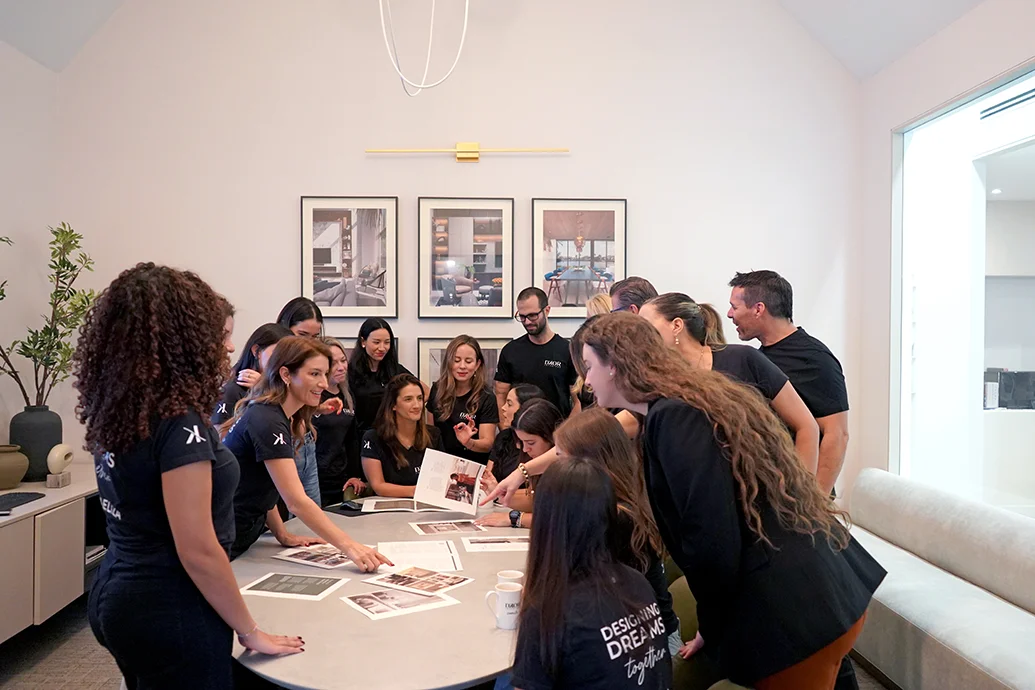
At the end of the day, a successful home design project is not just about how beautiful everything looks when you finish it. It is also about making the process feel more thoughtful, organized, and supported from the very beginning.
With the right team beside you, the process becomes less about guessing and more about making thoughtful choices that truly support your home, your lifestyle, and your investment. That is the kind of experience we love helping our clients create at DKOR, one where the design journey feels clear, collaborative, and exciting, not overwhelming.
If you are wondering whether it is the right time to hire an interior designer, we are here to help you figure out the next step! Reach out to DKOR and let’s begin creating a home that feels as good as it looks.
Entradas relacionadas
6 Hidden Costs of Trying DIY Interior Design Instead of Hiring a Pro
When you reach the point of designing, decorating, or renovating your home, you are making one of the most meaningful…
The Real Reasons Full Service Interior Design Is Worth the Investment
When you're in the process of selecting an interior designer, a lot of questions naturally come up. What’s their style?…

Planning For Your Next Interior Design Project
You finally found the perfect home for you and your family, but it’s in need of a facelift. Or maybe…