Designing a restaurant is one of the things our commercial interior designers enjoy the most, and restaurant renovation projects are especially rewarding. The creativity behind every decision, and understanding how each one shapes the guest experience, staff efficiency, and the overall success of the business, is what pushes our team to create interior environments that go beyond the expected and become truly extraordinary.
However, designing a restaurant from scratch in a blank space is very different from relocating into an existing location. An existing property comes with its own conditions, opportunities, and limitations that must be carefully studied and renovated to bring the vision our team and client build together to life. From the current layout and kitchen setup to building requirements and how the space can reflect your brand, every existing element affects the design decisions we make.
That’s why in this article we’re going to review the most important considerations and what it really takes to transform an existing space into the new home of a restaurant concept.
If you are a restaurant owner looking to relocate, open a new branch, or undertake a restaurant renovation, this guide will be especially helpful. Our commercial design team has gathered practical recommendations, expert tips, and a clear set of steps to help you make the right decisions with confidence.
A Guide to Restaurant Renovation and Relocation
1. UNDERSTANDING THE PROJECT AND THE TYPE OF RELOCATION IT REQUIRES
When a new client approaches us for help designing their new restaurant location, one of the most important first steps is understanding what kind of relocation the project really requires. Is the new space a blank canvas, or does it already have an existing design style? Will it need major construction work, or is it more about decorative upgrades and adapting the brand to the space?
Before choosing a new location, we recommend reviewing these key aspects of the space carefully:
- Kitchen infrastructure and grease trap capacity
- How much renovation it will require and the level of investment needed
- HVAC and ventilation systems
- Plumbing and restroom requirements
- Electrical load capacity
- Visibility
- Access and parking
- Zoning and local permitting
This first step helps you understand the scope, budget, and timeline of your relocation, so you can make informed decisions before committing to the space.
2. SELECTING THE RIGHT TEAM EARLY IN THE PROCESS
Once the space is selected, bringing your equipo de diseño de interiores in early is one of the best decisions you can make. We work with our clients from the beginning of the relocation process to understand their needs, review what works in the current location, and identify areas that can be improved in the new space.
A site visit with your design team is also essential. Walking the new location together helps uncover the opportunities the space offers, define priorities, and identify potential challenges early so they can be addressed before they affect the project.
Once those priorities are clear, coordination with the general contractor and other vendors becomes critical. Keeping everyone aligned on the timeline, scope, and budget from the beginning helps the entire relocation move forward smoothly.
3. UNDERSTAND RENOVATION COSTS BEFORE CONSTRUCTION STARTS
Once your team is together and the existing space has been reviewed, it’s very important to know what the renovation will cost before construction starts. Older spaces can hide unexpected issues that don’t appear in a brand-new location.
Your general contractor can help you estimate these costs, which might include things like demolition surprises, permit updates, or fixing floors and walls. We suggest keeping a 10–20% extra budget for any unexpected problems. Planning ahead this way helps keep the project on track and avoids surprises that could affect your timeline or total investment.
4. ADAPT THE EXISTING LAYOUT TO YOUR BRAND EXPERIENCE
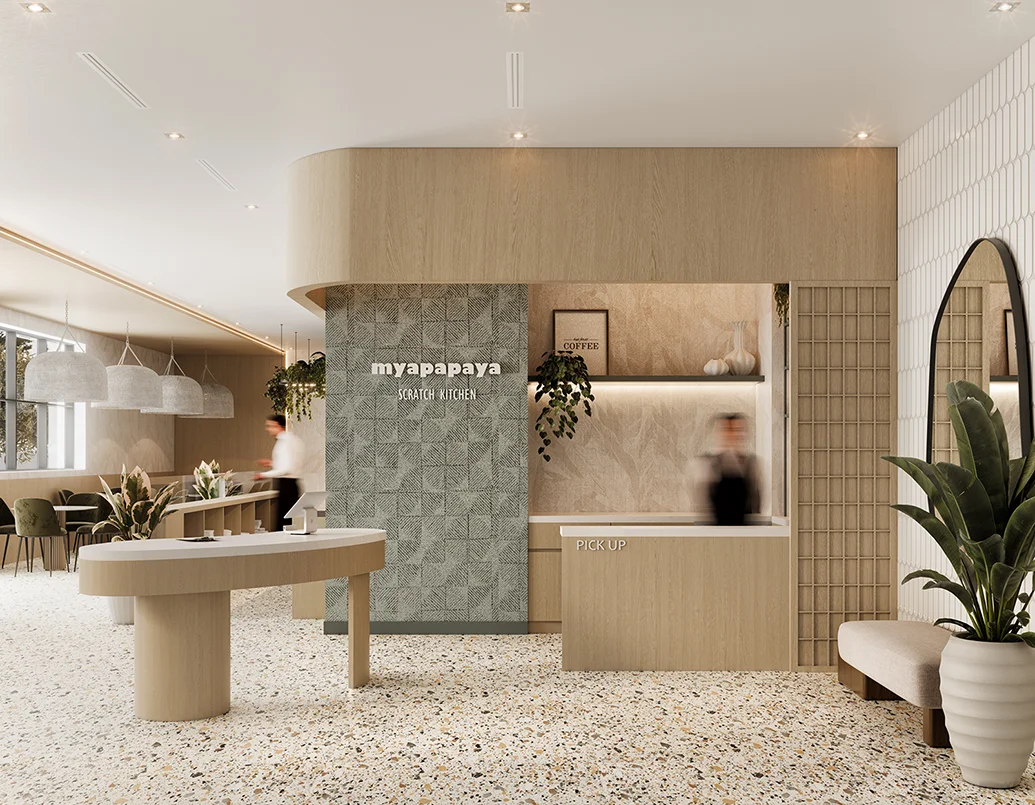
When relocating your restaurant into an existing space, it’s important not to simply keep the old layout from the previous tenant, whether it was another restaurant or a retail space. This is your opportunity to create a space that truly reflects your brand and provides the best experience for your guests.
As mentioned in the first steps, working with your interior designer to review what is working in your current location, and what is not, helps you make informed improvements. The new layout should enhance how guests move through the space, from entrance to dining area to checkout or to-go section.
Consider the guest journey carefully: Where will the waiting area be? Where should the host stand be located? How will takeout and delivery flow? It’s not just about the dining area, think about the full experience, including kitchen-to-table circulation, bathroom locations, and how each element affects acoustics and lighting. Every placement decision contributes to a smoother operation and a more enjoyable experience for your customers.
5. IMPLEMENT THE NEW INTERIOR DESIGN
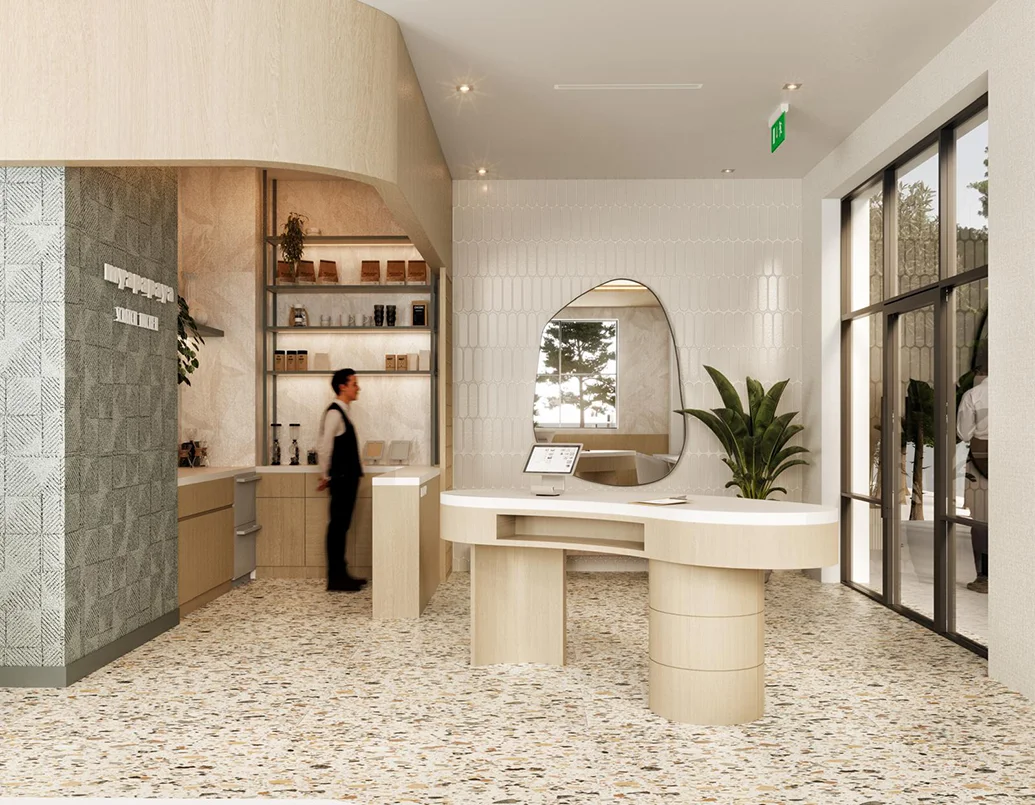
Your new restaurant space should connect with your customers and reflect your brand from the moment they walk in until they leave, including all areas like dining, bathrooms, and service spaces. While it might be tempting to save costs by keeping some of the existing decor, we strongly recommend implementing a full interior design plan that aligns with your brand and supports your business goals.
Working closely with your interior designer ensures that every element, from lighting and furniture to finishes and signage, is thoughtfully chosen to create a consistent brand experience. A new design is also the best opportunity to make sure the space is optimized for guest comfort, operational efficiency, and overall impact, giving your new location the best chance to succeed. We recommend you follow this guide while creating your restaurant space designs.
6. TAKE INTO CONSIDERATION A REALISTIC TIMELINE
When relocating your restaurant, timelines are critical, especially if this is your only location. It’s important to have a realistic understanding of the time required from selecting a new space to the soft opening.
Your business success depends on staying operational, so careful planning is essential to minimize downtime. Mapping out the timeline with your team, including site selection, design approvals, permitting, construction, and setup, helps ensure a smooth relocation and avoids extended periods of lost service or revenue.
7. PLAN YOUR MARKETING FOR THE NEW LOCATION
Moving your restaurant is not just about design and operations, it’s also a great opportunity to create excitement and let both existing and new customers know about your new space. Planning your marketing early ensures your opening gets attention and makes it easy for loyal customers to find you at the new location.
Your customers will be excited to see the improvements in the space, experience the new features, and understand that every change is designed to make their visit better. Share key information like grand opening dates, new amenities, and what makes the experience special.
Some simple ways to spread the word include announcing the move on social media, sending email newsletters, and updating your website and online listings.
By planning marketing alongside the relocation, you can maximize visibility, keep loyal customers engaged, and attract new guests right from day one.
PLANNING YOUR OWN RELOCATION
Relocating your restaurant is an exciting step as a business owner, especially when your goal is to improve the space and the experience for your customers. Having an expert interior designer to guide you through the process is essential.
We hope these tips help you think about the key considerations when planning a relocation. If you’re ready to explore this exciting step for your business, you can contact us to guide you through a successful restaurant relocation and design.
Check out more of our commercial projects here to see how we bring spaces to life!
Entradas relacionadas
Your Guide to a Successful Commercial Interior Renovation
Sometimes, as a business owner or investor, you’ll find yourself planning a commercial interior renovation, whether it’s to refresh your…
Razones principales para invertir en diseño de interiores comerciales para su empresa
As a business owner planning a new commercial space, whether you're opening a new location, launching a new location, or…
Restaurant Interior Design: What to Know Before You Start
We all love visiting beautiful restaurants, not just for a great meal and a good time, but also for the…