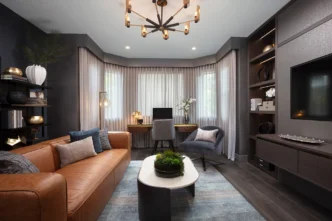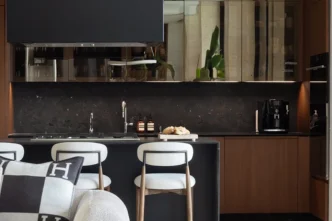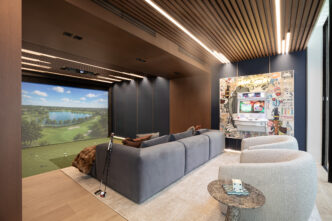
Are you familiar with the different interior design styles? You’ve probably heard the terms, “traditional,” “modern,” and “transitional.” It may be easy to understand the difference between “traditional” and “modern,” but do you know what transitional style really is? Follow along as we take a look at its key features so you can understand it better.
Transitional interior design strikes a balance between both contemporary and traditional styles. It blends classic and modern touches to create a look that feels timeless while incorporating current trends.
TRANSITIONAL VS. TRADITIONAL INTERIOR STYLES
It’s easy to confuse “transitional” with “traditional” design since they share the same foundations. But transitional design has a more laid-back, lighter vibe, blending old and new for a bright, airy look. It represents the middle ground between the elegance of traditional style and the clean lines of contemporary design.
One of the best things about transitional design is its flexibility. This style provides a solid base on which to create a space that feels both classy and comfy!
CHARACTERISTICS OF TRANSITIONAL INTERIOR DESIGN
To help you better understand the characteristics of transitional interiors, we’ve created a list of five key features of this design style. They highlight how transitional design celebrates the blending of different styles.
NEUTRAL COLORS
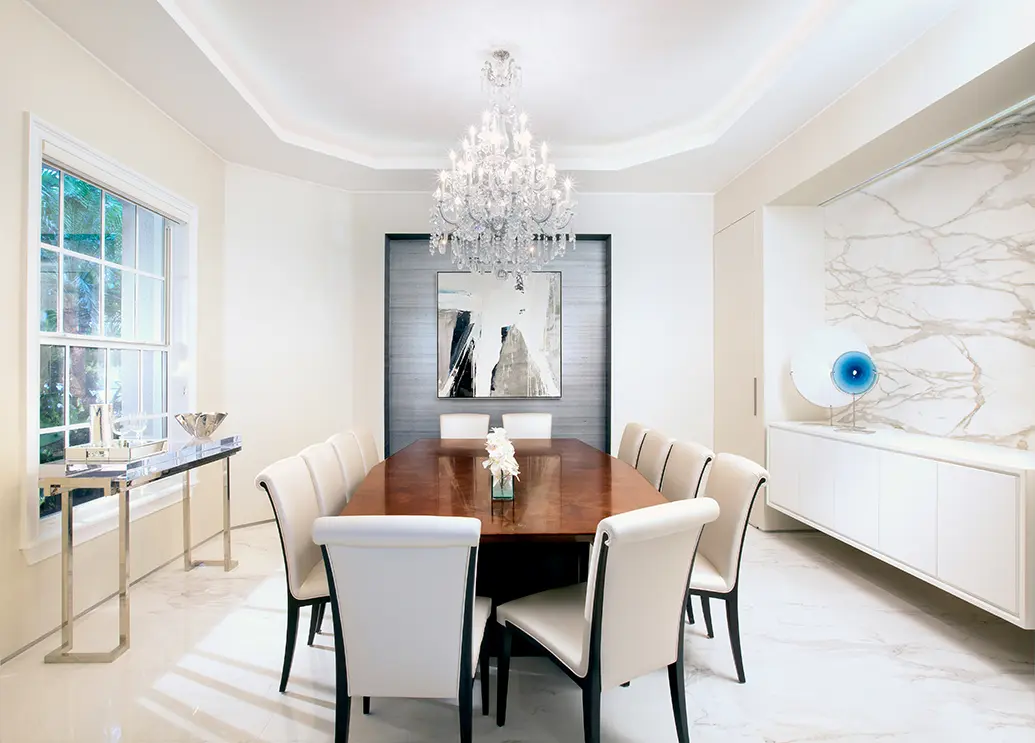
A neutral palette forms the foundation of transitional design. Colors that evoke a serene mood, such as gray, beige, taupe, soft white, and cream, create a clean backdrop that grounds the design. They serve not only as a calming but also as a versatile base in transitional interiors.
Although darker tones may be introduced in transitional design to add depth and interest, and to create a balanced contrast, neutral colors remain predominant. In addition, pops of color are often included through accessories, textiles, and materials to enhance visual interest.
BLEND OF MODERN AND CLASSIC

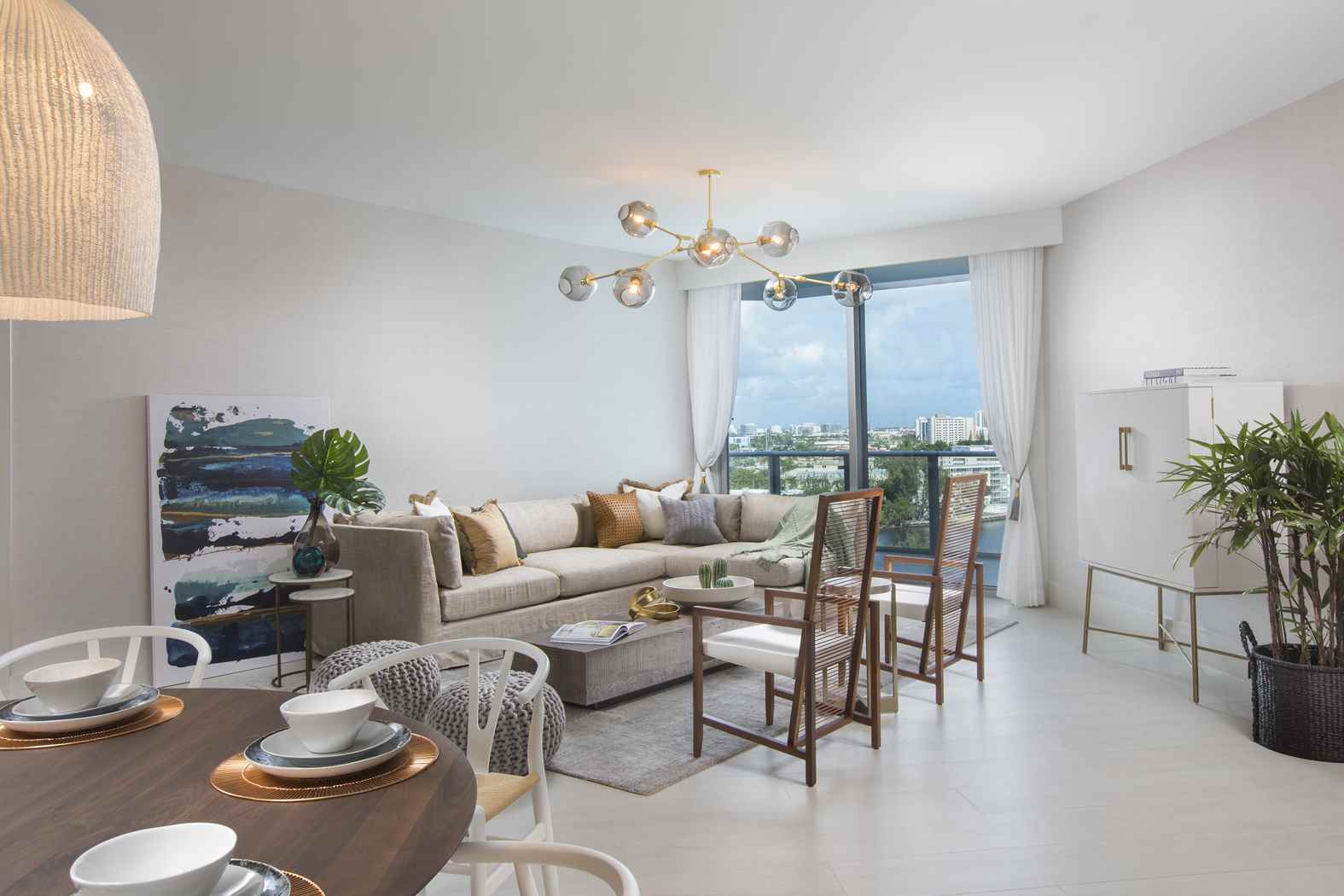
As this style suggests, its main characteristic is the seamless blend of classic and modern elements. Transitional spaces are designed to merge old and new elements so smoothly that you can’t tell where one ends and the other begins. The goal is to create a seamless flow where both styles come together naturally, making the space feel cohesive and balanced.
In transitional interiors, you’ll see a mix of modern and traditional forms, creating an interesting contrast. This blend can range from traditional pieces made with modern materials to light fixtures with traditional details paired with contemporary floor lamps.
MINIMAL DECOR
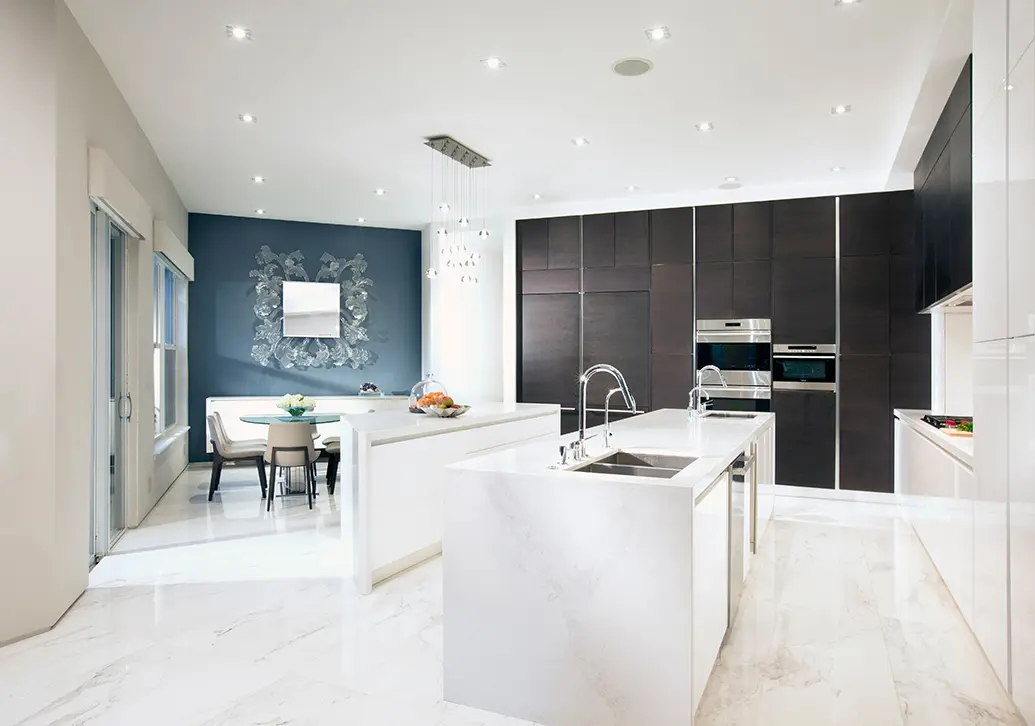
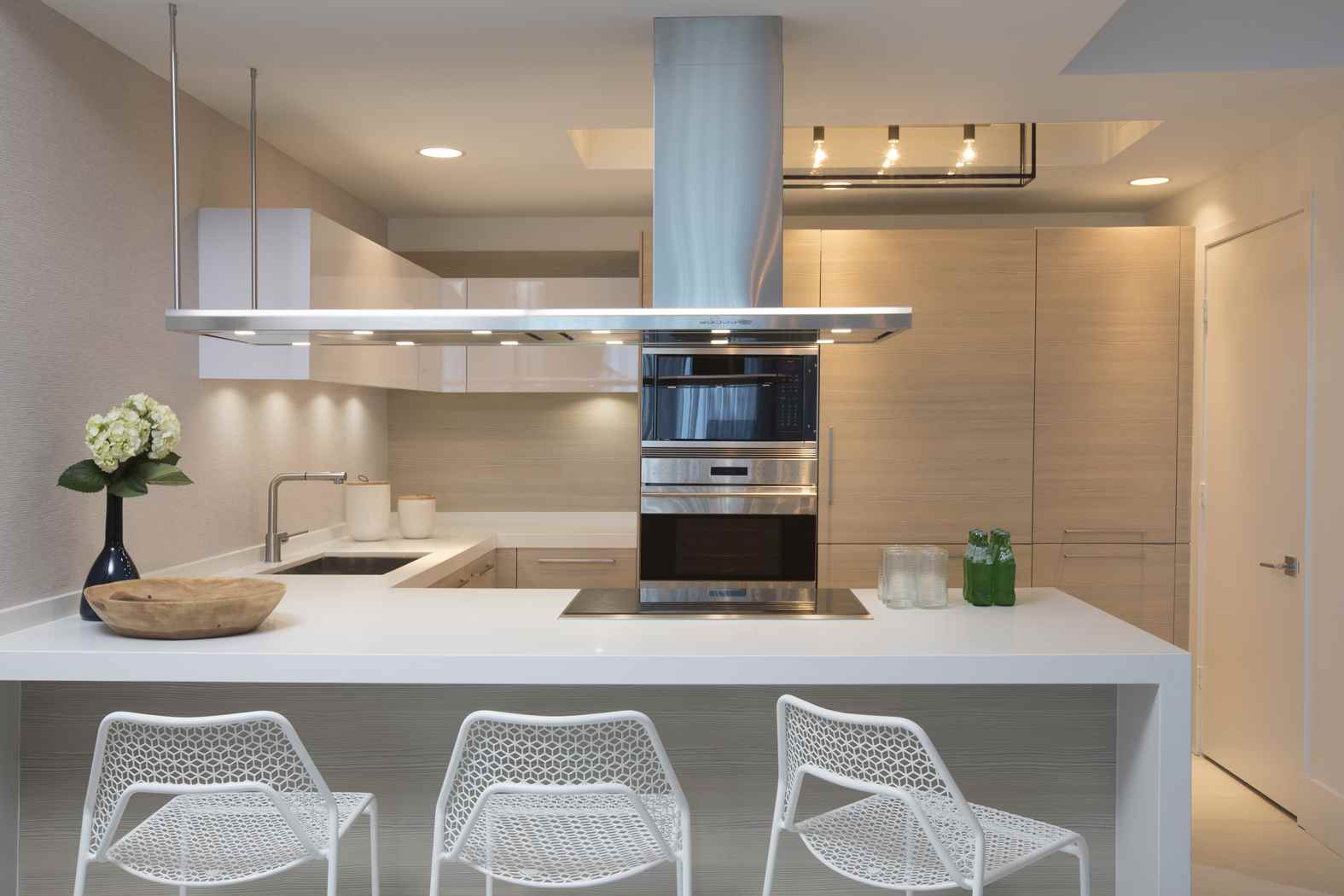
Another key feature of transitional interiors is the thoughtful placement of accessories. It’s not necessary to include a lot of them—each item has a specific purpose and position, which helps keep the space focused and free from clutter. Every piece is chosen carefully to fit the overall look. This approach ensures that the space feels both elegant and practical.
WOODWORK DETAILS
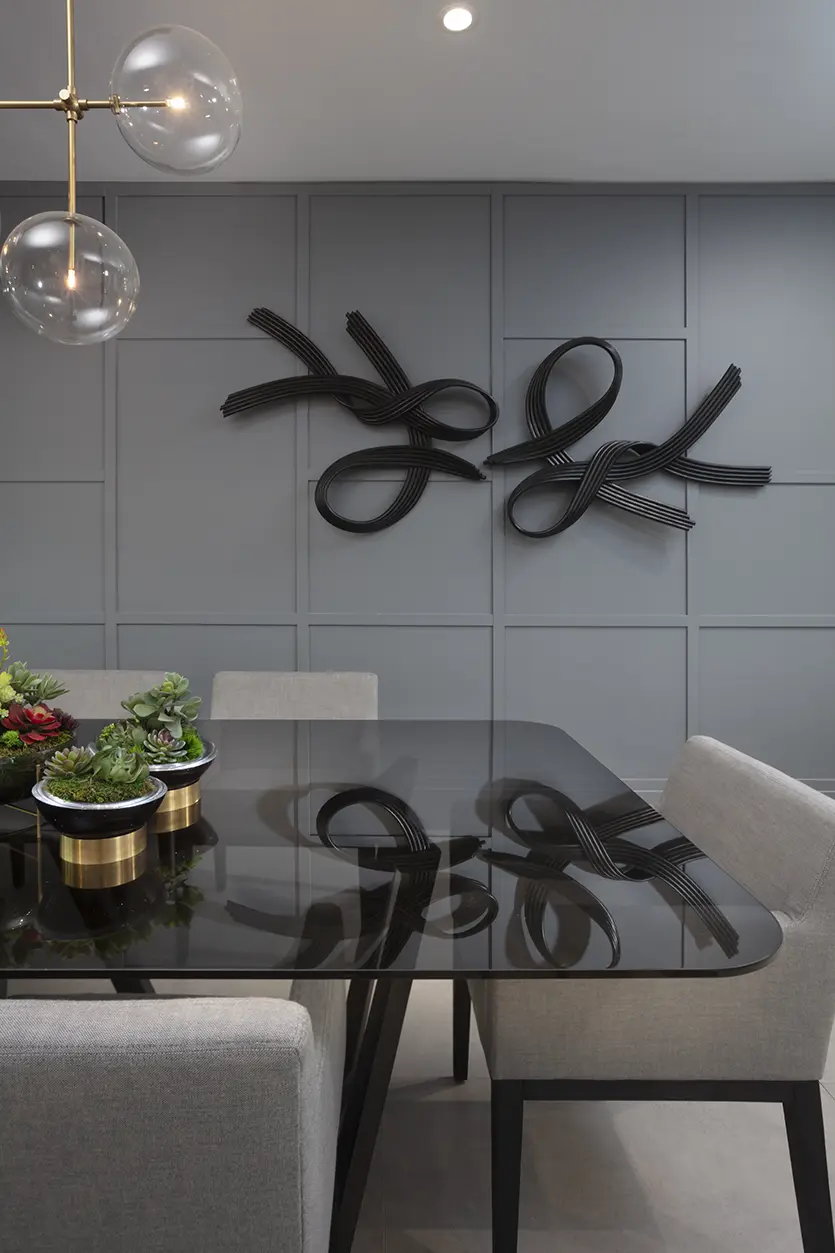
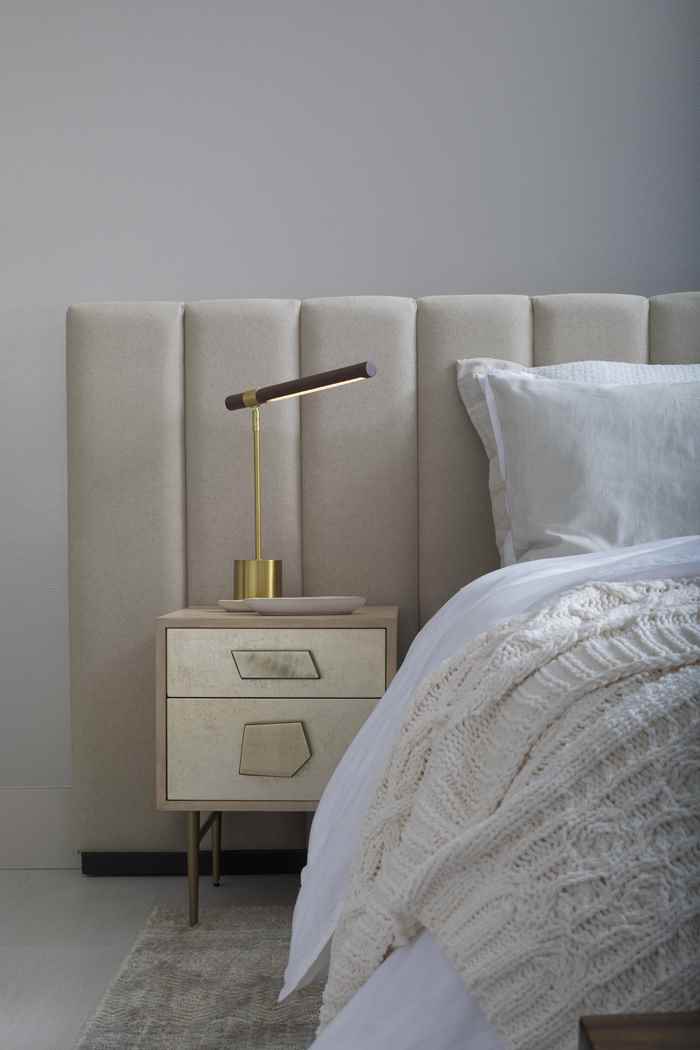
Transitional spaces are all about elegance. Ideas from traditional millwork, such as crown molding, paneling, and other decorative elements, are incorporated into the transitional style, along with traditional wood details in furniture pieces. However, these elements are given a modern twist, opting for a cleaner and fresher look.
MIXING TEXTURES AND PATTERNS
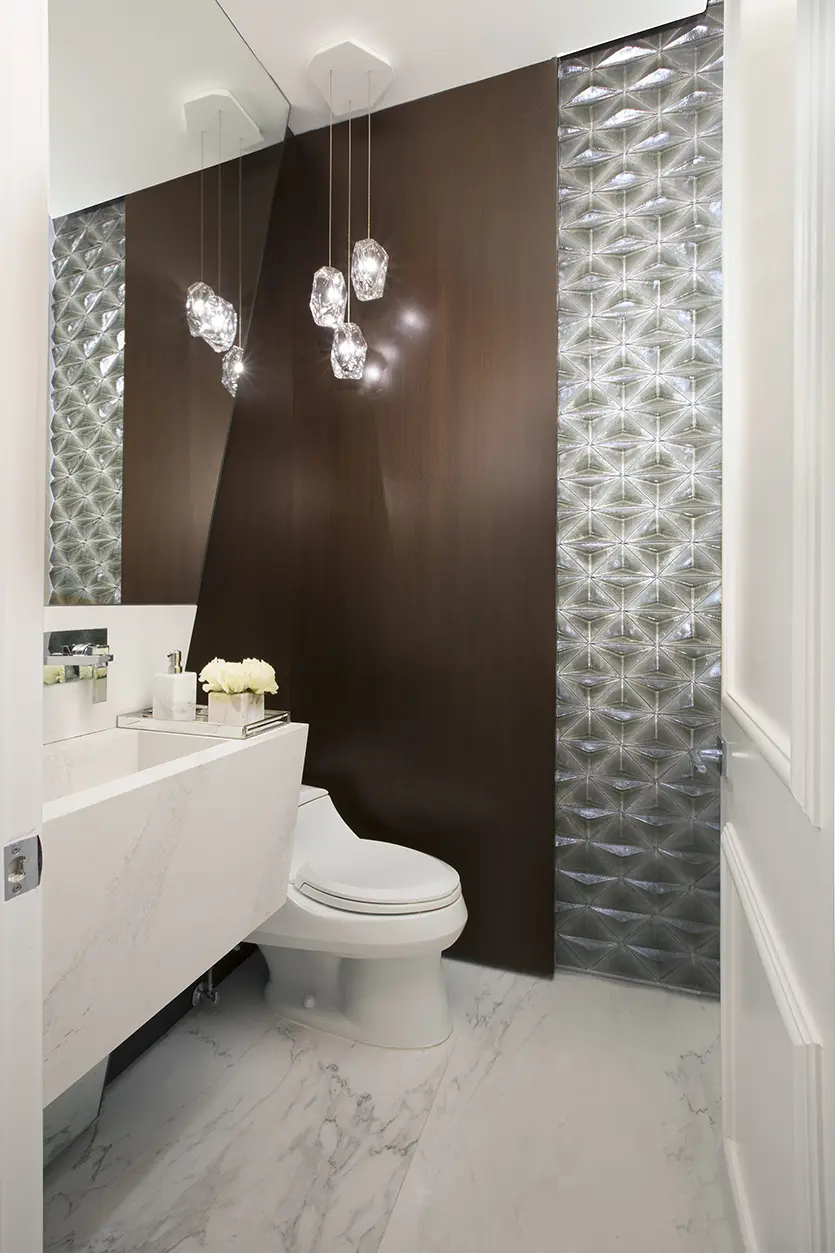
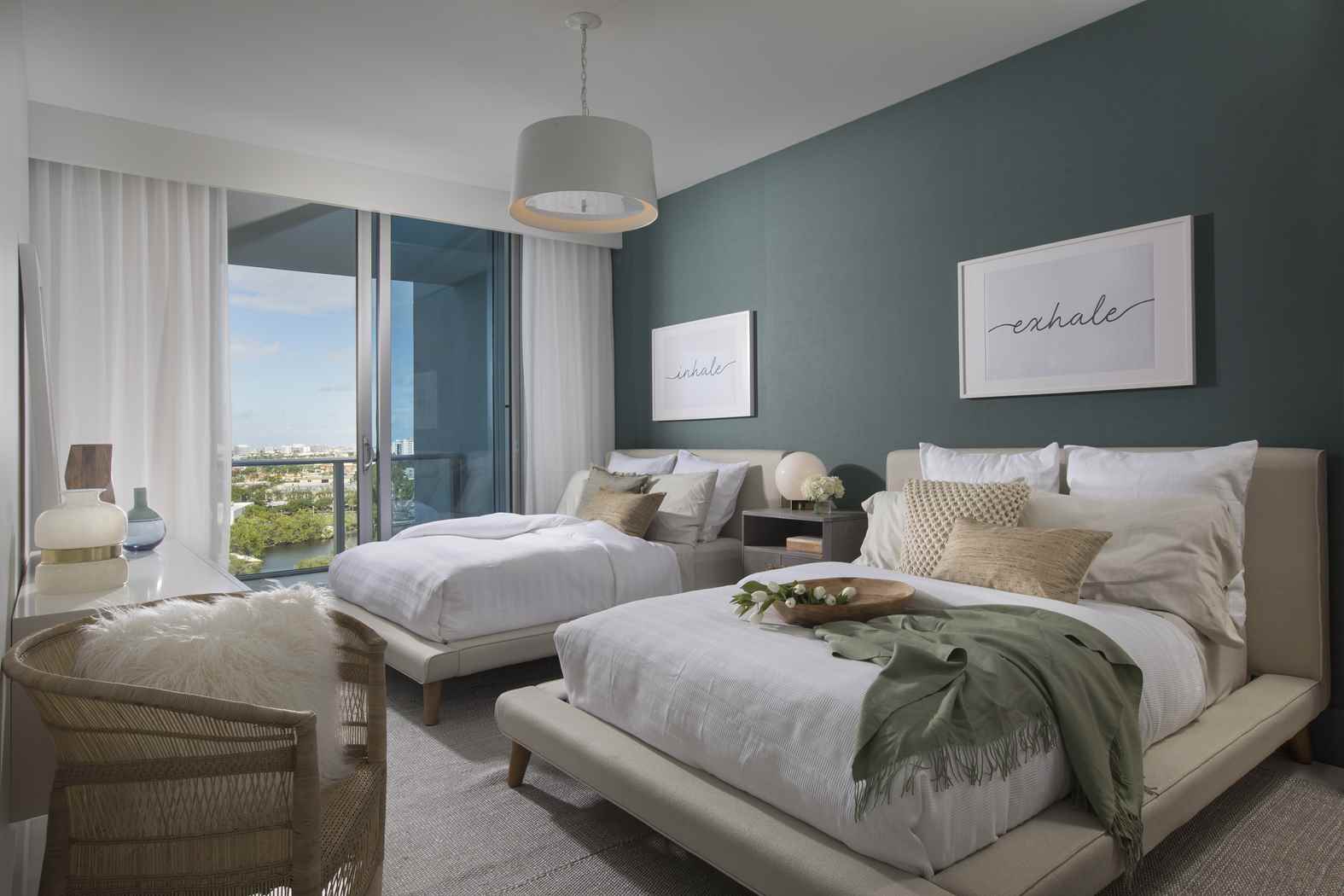
Transitional interiors often feature minimal decor and soothing color palettes. For that reason, they incorporate a mix of different textures and patterns to add warmth, dimension, and visual interest. For example, you might find a combination of smooth wood surfaces and textured tiles on the same wall, as shown in the powder room example above.
By incorporating various textures, designers use traditional design to create focal points and decorative accents that make the space feel unique and engaging.
Transitional interior design blends the elegance of traditional elements with the clean lines of modern aesthetics. Its flexibility and timeless appeal make it a versatile choice for those looking to create a balanced, stylish space. Now that you understand the elements of transitional interior design, do you think it’s the right choice for your home?
Related Posts

Fort Lauderdale Interior Designers: A Floral-Inspired New Construction Home
Delicate, timeless, elegant. These three words dictated the design of our client’s new-build home in Ft. Lauderdale. In collaboration with…

Foyer Transformation Goals: A Luxe Modern Entryway
We take first impressions seriously and when it comes to homes, that means designing the perfect entryway. The foyer sets…

Interior Home Decoration: A Modern Living Space with Transitional Vibes
How exciting for us to reveal today sneak peeks of this unique home we have been working on. This little…