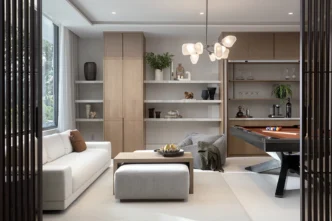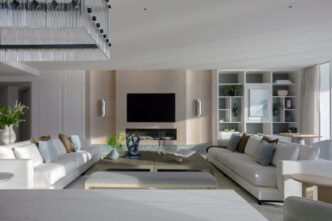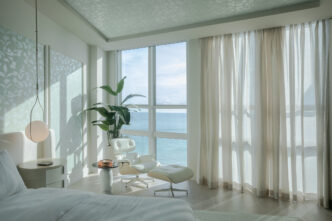
When we hear the word lobby, most of us think of the spaces that greet us the moment we step into a building, whether it’s a hotel, office, or residential complex. It’s the first place we enter, the threshold between the outside world and the purpose of our visit. Think back to the last hotel you stayed in, do you remember how the lobby felt? Or the last time you visited a high-rise apartment, what kind of atmosphere did the entrance create? These first impressions matter. A lobby design sets the tone for the entire experience that follows.
That’s why, when commercial real estate owners reach out to our commercial interior team, they’re often seeking more than just a beautiful welcome area. They want a lobby that creates impact while staying true to their brand, their vision, and their budget.
Designing a successful lobby is about more than eye-catching design. It’s about crafting a space that feels intentional. A place where visitors feel welcomed, oriented, and even inspired. A space that captures the personality of the business or building it represents.
At its best, a well-designed lobby doesn’t just make a great first impression, it makes every impression count. It’s a place that feels alive, thoughtful, and livable, whether someone is passing through for a quick meeting or waiting to be received.
WHY IS LOBBY DESIGN IMPORTANT IN COMMERCIAL SPACES?
A commercial lobby design is more than just an entrance, for us, it’s an experience. And for commercial spaces, getting that experience right can make all the difference. It’s the first thing people see and feel when they walk in, whether they’re clients, tenants, visitors, or staff. A well-designed lobby helps people feel welcome, confident, and comfortable.
The look, the layout, the lighting, and all the interior elements work together to send a message about the space and the company. When everything feels connected and thoughtfully designed, people notice. They feel like they’re in the right place.
As interior designers, we’ve had the opportunity to help shape memorable lobby experiences. So here are a few tips we’d like to share, things you shouldn’t forget to think about when starting your own lobby design.
IMPORTANT ASPECTS TO THINK ABOUT WHEN DESIGNING A LOBBY
1. BUDGET
Today’s market is competitive, with many new buildings offering similar amenities. That’s why creating a lobby that feels both inviting and unique is more important than ever. With thoughtful planning, it’s possible to design a space that makes a strong impression while staying within budget.
Setting a clear budget from the start is key. It helps guide every choice, from materials and finishes to furniture and lighting. Knowing your limits early on allows you to focus on the elements that will have the most impact. It also helps ensure you’re using the budget wisely, putting resources where they matter most.
Working closely with developers to understand their priorities can also help strike the right balance between design and cost.
2. STRATEGIC SPACE PLANNING
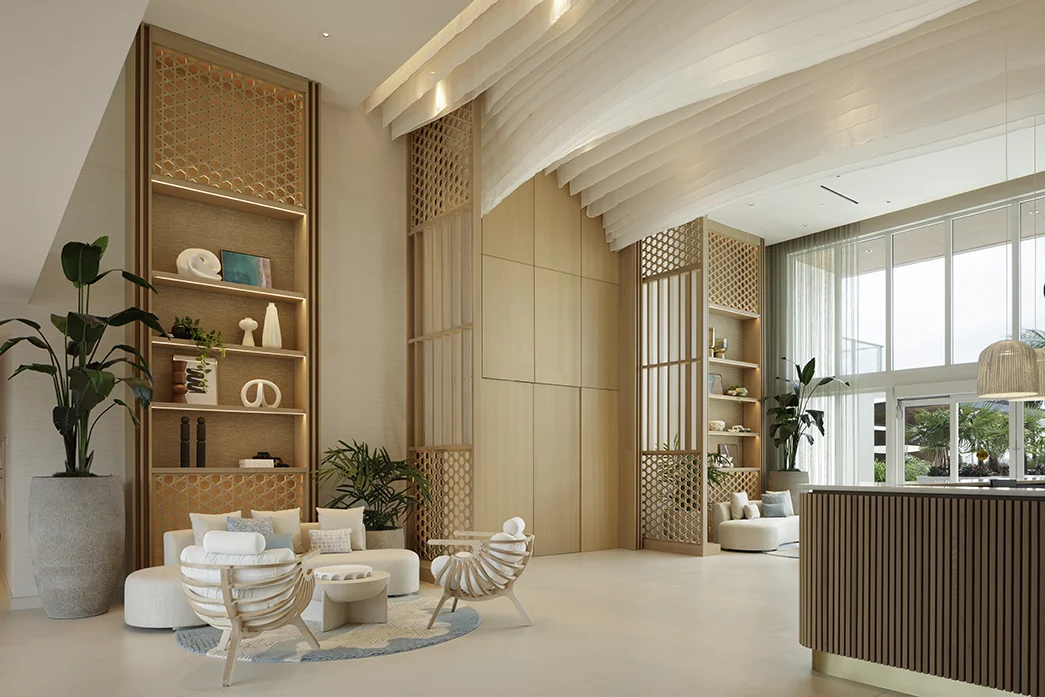

A well-designed lobby should do more than guide people from point A to B, it should create moments. Moments to pause, to sit, to take in the atmosphere. And to achieve that, you need to develop a strategic space plan before starting the design. Whether it’s a cozy seating area, calming lighting, or art that sparks curiosity, these thoughtful details turn a lobby into more than just a transitional space, they make it part of the experience.
Before starting the design, it’s crucial to consider how the space will be used. Who will be passing through this lobby? For instance, in a hotel, you might have guests with luggage, families with children, or business travelers. What design elements should be included to accommodate their needs? In a residential building, the daily traffic may consist of residents returning home, delivery drivers, or visitors. Is there a designated area for packages or deliveries? What areas should be incorporated to support these activities and make the space more functional?
Understanding who will use the space and how they move through it will help guide decisions about layout and design elements. Are there enough places for people to sit while waiting? Will the materials stand up to daily wear and tear?
Considering these practical aspects ensures the lobby is functional and meets the needs of everyone who uses it, while still keeping the design cohesive and welcoming.
3. AESTHETIC & AMBIENCE

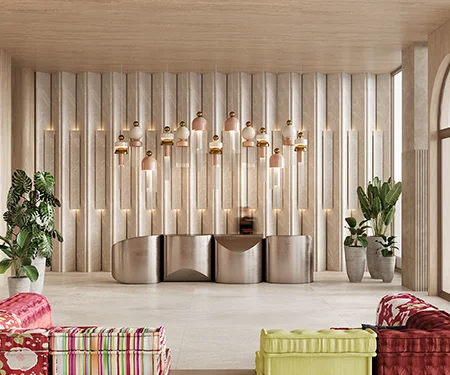
Of course, how your lobby looks is one of the most important factors when it comes to making a strong first impression. That’s why it’s essential to have a creative design that reflects who your company or brand is, and that aligns with the overall vision for the building.
But great lobby design goes beyond just interior details. It’s also about how the architecture and interior speak to each other. What elements from the exterior experience can we bring inside? Where is the building located? Is it oceanfront, surrounded by city life, or tucked into a natural setting? These surroundings should inspire the concept, helping create a lobby that truly feels connected to its environment and tells the story of the space.
From the moment someone walks through the door, what do you want them to feel? What message should the space communicate right away? Just as important, what kind of experience should they have while they’re there?
4. MATERIALS
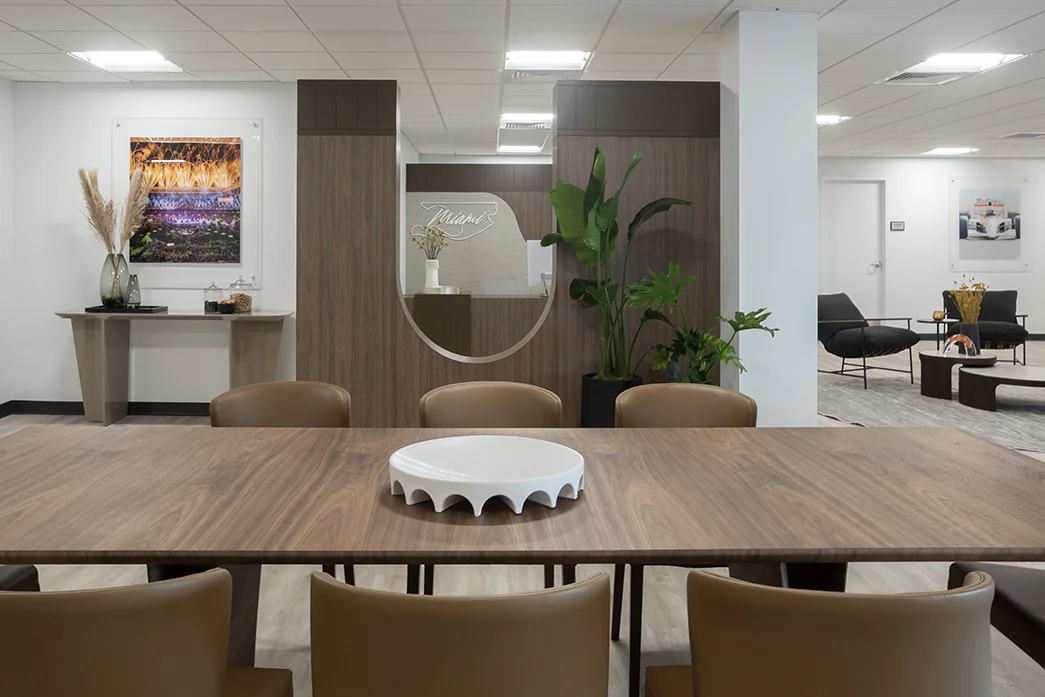

Materials and finishes play a key role in bringing a lobby design to life. They help define the overall look and feel, but they also need to support the space’s functionality. The materials you choose should reflect your design vision while standing up to daily use, especially in high-traffic areas like lobbies.
In commercial, durability is non-negotiable. We always emphasize this: materials must be contract grade. That means flooring should be slip-resistant and able to handle heavy foot traffic, especially in areas exposed to weather. Countertops, wall finishes, and millwork should be built to withstand constant use and be easy to clean and maintain.
It’s also important to think long-term. Choose finishes that not only look good but are also practical, ones that can be fixed or replaced easily if needed, without affecting the rest of the space. Picking the right materials from the start doesn’t just improve the design, it helps keep the space looking good and working well over time.
5. LIGHT IT UP


Lighting is a big part of what makes a lobby feel inviting and comfortable. It’s important to think about how the space changes from day to night. During the day, natural light can make the lobby feel open and bright. In the evening, using layers of lighting, like wall sconces, chandeliers, and dimmable fixtures, can help create a warm and welcoming atmosphere.
A well-lit space not only looks better but also works better. That’s why we recommend working with a lighting designer whenever possible. They can help create a plan that highlights key features, supports how the space is used, and makes sure the lighting feels right at any time of day. Good lighting adds both beauty and function to the design.
6. FURNITURE
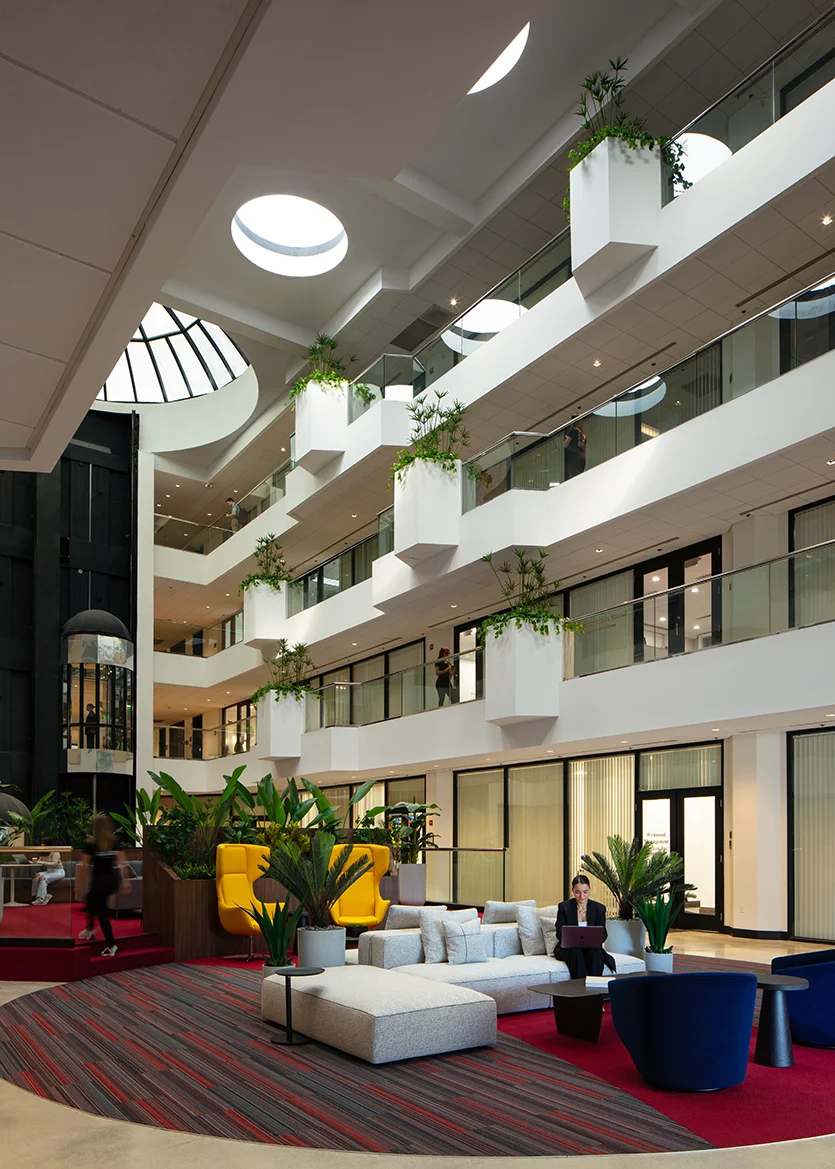

Furniture in a lobby isn’t just about looks, it plays a key role in how the space is experienced. It should be comfortable, functional, and inviting, encouraging people to actually use the space, not just pass through it. Ergonomic seating, well-placed tables, and thoughtful layouts can make a big difference in how people interact with the area.
It’s also worth thinking beyond a standard layout. A more flexible, dynamic furniture arrangement can support different types of use, whether it’s someone waiting for a meeting or taking a quick phone call. The goal is to create a space that feels welcoming and intuitive for all kinds of moments, big or small.
Designing beautiful spaces is important, but real success comes when people want to spend time there. Well-chosen, well-placed furniture helps make that happen.
Related Posts
Lobby Interior Design for a Luxury Residential Building
We have previously shared our residential development project, Serena by the Sea on the western coast of Clearwater, FL, on…
Restaurant Interior Design: What to Know Before You Start
We all love visiting beautiful restaurants, not just for a great meal and a good time, but also for the…
What to Consider Before Choosing Commercial Interior Designers
Are you opening a new office or thinking about giving your current business space a facelift? Then you should consider…